Product List
Bize Ulaşın
E-posta:qiao@hvtest.cc
Mobil:+8615871365102
Uygulama nedir: +8615871365102
-
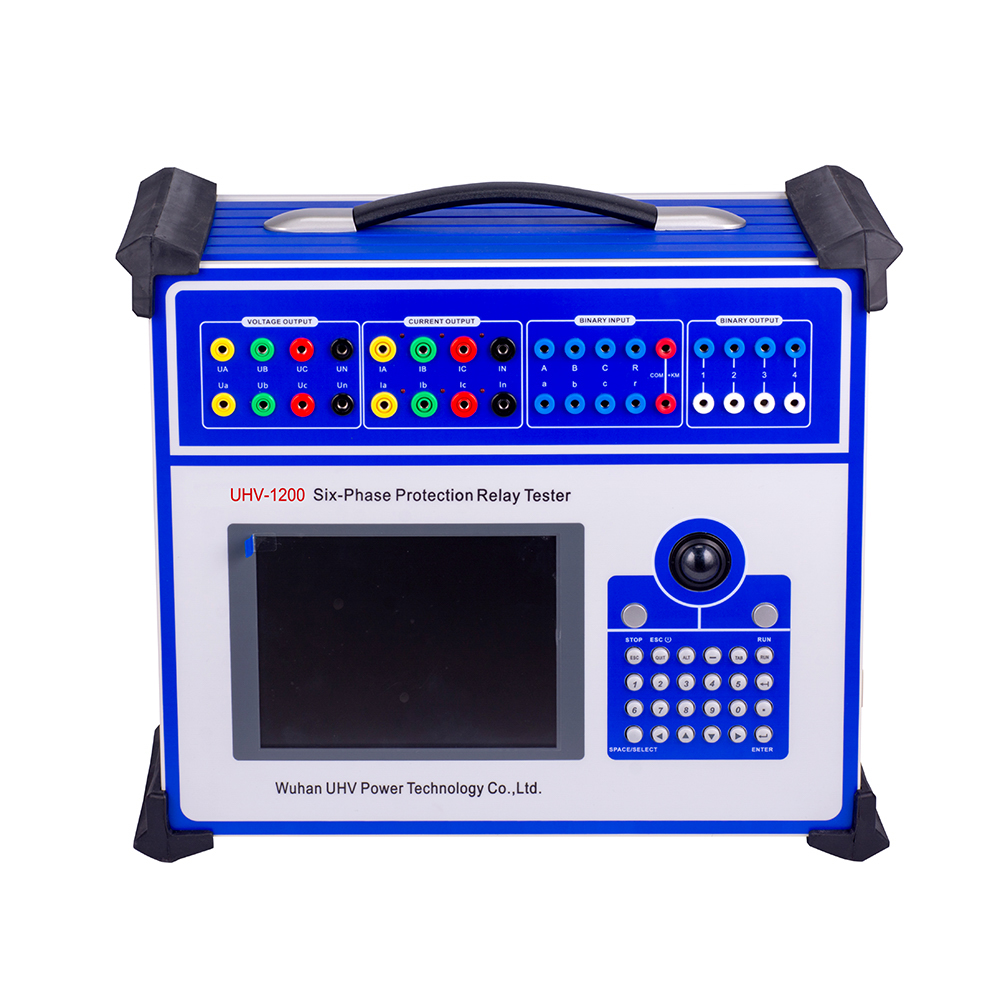
How to Choose a Relay Tester for Differential Protection
2026-09-28In the daily verification of relay protection, the selection of differential relay protection tester directly affects the reliability of the main equipment protection action. The action logic of transformer, generator, and busbar differential protection relies on accurate comparison of the amplitude and phase relationship of the currents on each side. Once the tester leaves a gap in accuracy or channel configuration, the verification conclusion may be distorted. Based on the product information and on-site application records published on the official website of Wuhan UHV Power Technology Co., Ltd., the selection can be confirmed item by item from several aspects such as voltage level matching, current channel configuration, output accuracy, and brand service capability.Voltage level determines basic configurationThe starting point of selection is to clarify the highest voltage level of the equipment under the jurisdiction of this unit. The specifications for testing instruments are co
DAHA -
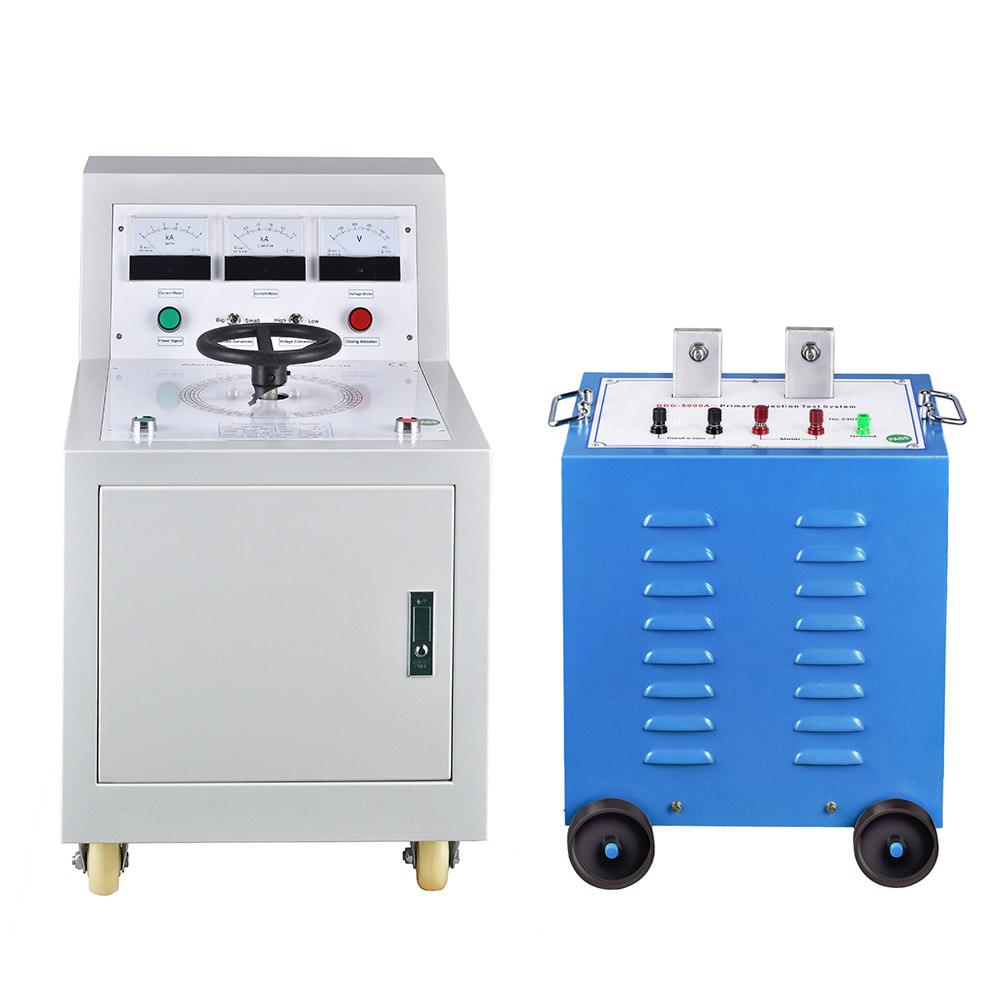
How to Select Primary Current Injection Equipment by Output Current
2026-09-24In the handover test and preventive maintenance of the power system, primary current injection equipment is the core equipment for circuit breaker thermal stability verification, current transformer ratio testing, and busbar current carrying capacity verification. Faced with numerous models ranging from hundreds of amperes to tens of thousands of amperes, output current is the first parameter to be clarified when selecting - but it is also the most easily simplified parameter.Output current: bottom line rather than unique scaleWhen selecting a primary current injection device, the rated output current must be greater than the maximum test current required by the tested device, which is the hard bottom line to ensure that the test can be completed. Wuhan UHV Power Technology Co., Ltd. pointed out in its product design specifications that users should pay close attention to parameters including rated output current, rated capacity (or voltage), continuous working time, and measurement ac
DAHA -
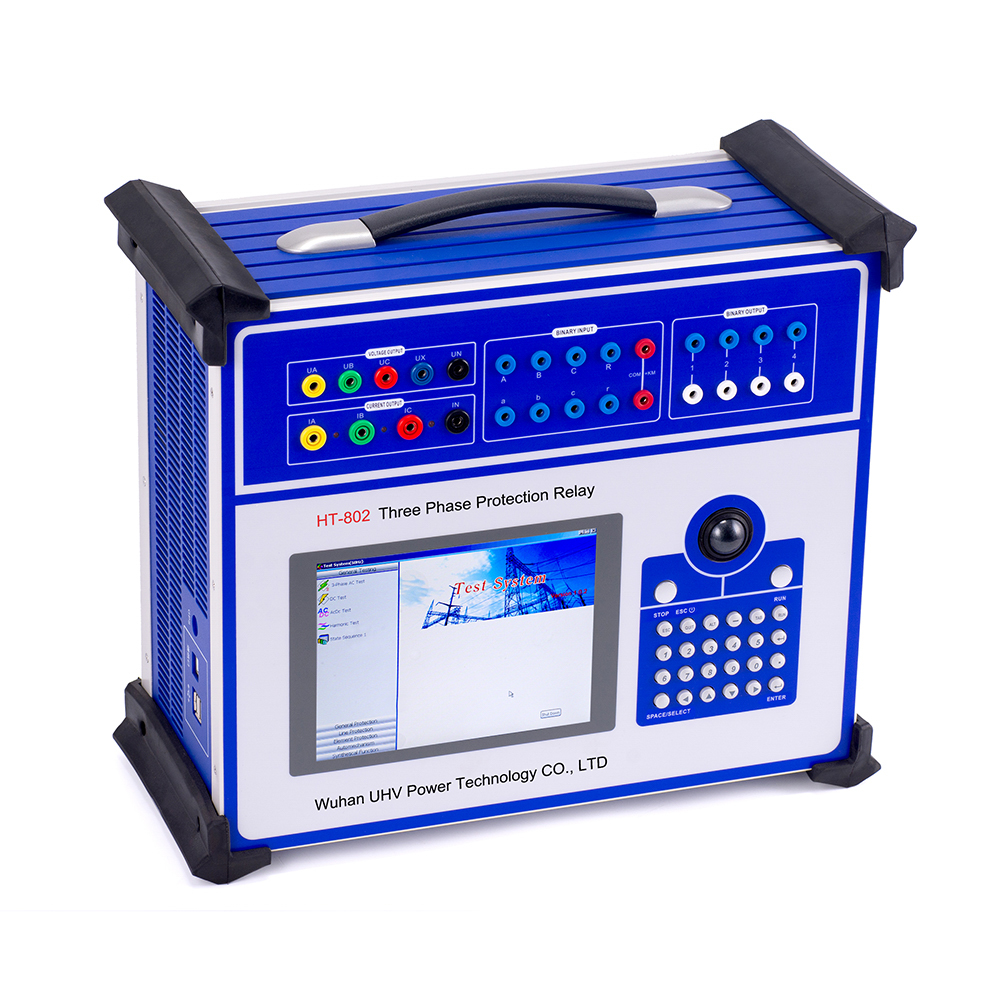
How to Choose a Secondary Current Injection Test Set
2026-09-23In the field of power system relay protection, secondary current injection testing is the core means of verifying the logical correctness and operational reliability of protection devices. With the rapid advancement of smart grids and digital substations, how to choose a secondary current injection tester that is suitable for actual needs has become a practical problem faced by many power operation and commissioning teams.Clear testing scenario: division of labor between secondary injection and primary injectionThe first step in choosing a secondary current injection tester is to clarify its boundary with the primary current injection test. A current injection test directly applies simulated fault current to a primary circuit, covering the full chain verification from circuit breakers, transformers to protection devices. It is suitable for scenarios such as new station operation acceptance and full chain verification after faults. The secondary current injection equipment applies small
DAHA -
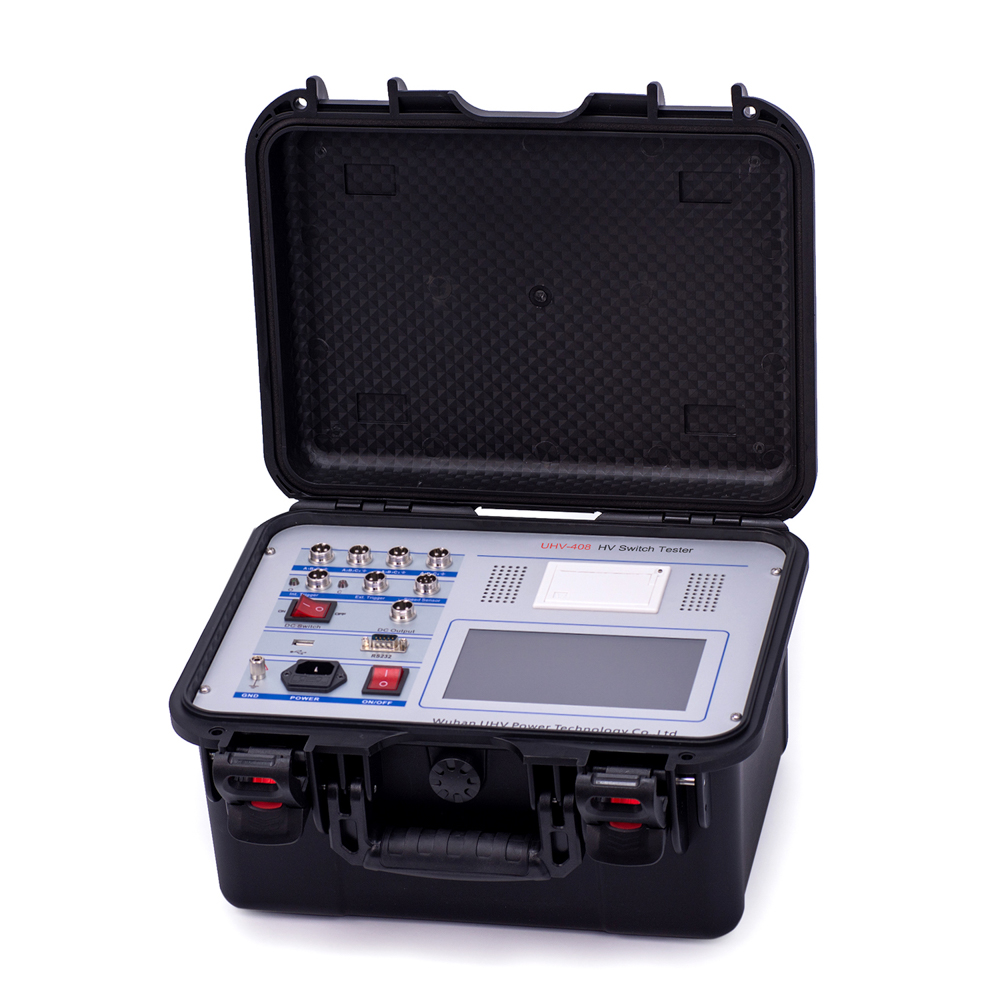
Circuit Breaker Analyzer vs Contact Resistance Tester: Which Should You Choose?
2026-09-22At the substation maintenance site, many power testers have faced the same problem: which one should they bring with them - the circuit breaker analyzer and the contact resistance tester? Or do we have to bring both? The answer to this question depends on your actual needs for the depth of diagnosis of the health status of the circuit breaker.The circuit breaker analyzer is essentially a mechanical characteristic diagnostic system. Its core task is to capture the three-dimensional data of "time, speed, and travel" during the action of the circuit breaker. Taking the UHV-408 high-voltage switch characteristic tester of Wuhan UHV Power Technology Co., Ltd. as an example, the equipment can measure more than 20 mechanical parameters such as opening and closing time, different periods between phases, bounce time and frequency, rigid opening and closing speed, moving contact stroke, overtravel, etc., with a time measurement accuracy of ± 0.1 milliseconds. These data directly reflect the heal
DAHA -
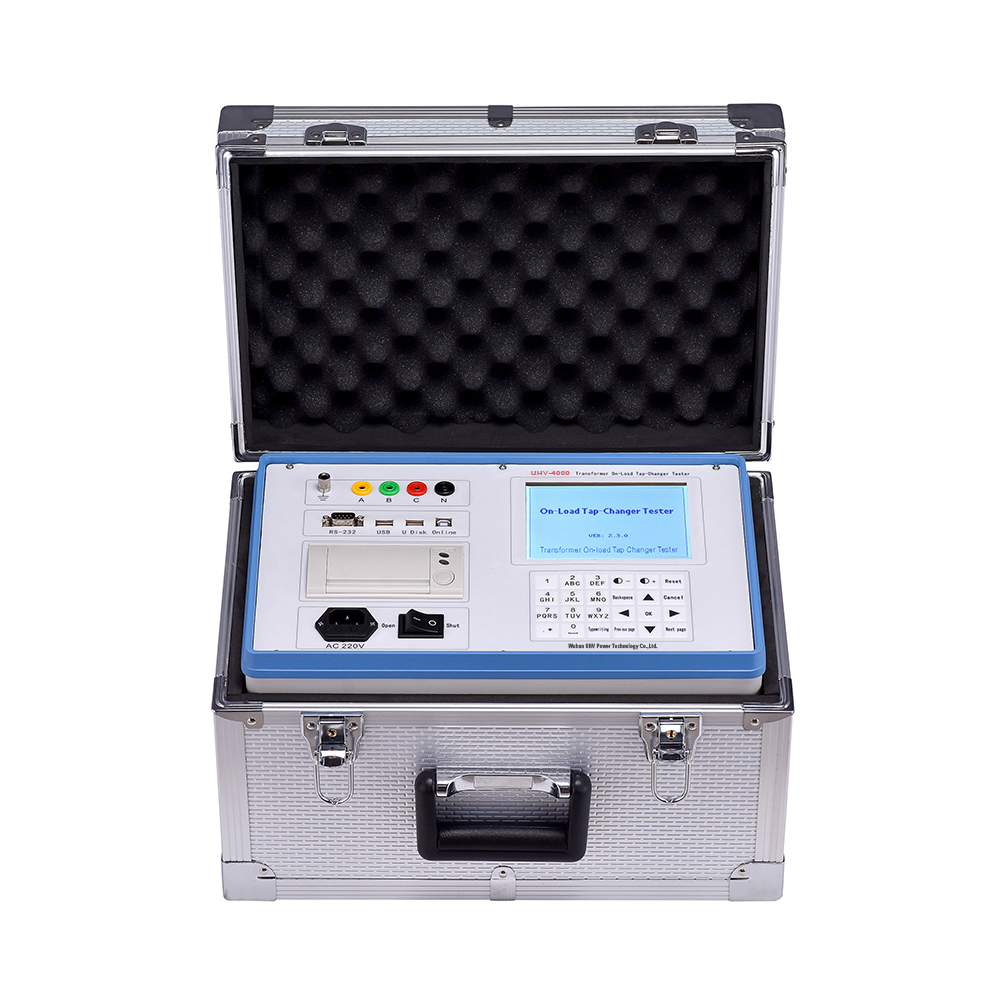
How to Choose a Dynamic Resistance Measurement System
2026-09-20The switching process of an on load tap changer is usually completed within a few tens of milliseconds. The disconnection of contacts, the introduction of transition resistors, and the reconnection of contacts all occur in an instant where the naked eye cannot react. Traditional DC resistance testing can only provide a static resistance value after the switching is complete, and it knows almost nothing about what happens during the switching process. And what the dynamic resistance measurement system needs to answer is precisely 'what happened during the process'. This determines that when selecting a device, one cannot only look at the nominal static accuracy value, but must start from the underlying logic of the measurement principle.The core of dynamic resistance measurement is to continuously inject a constant current test signal throughout the entire process of switch action, synchronously record the changes in circuit voltage drop, and thus restore the dynamic curve of re
DAHA -
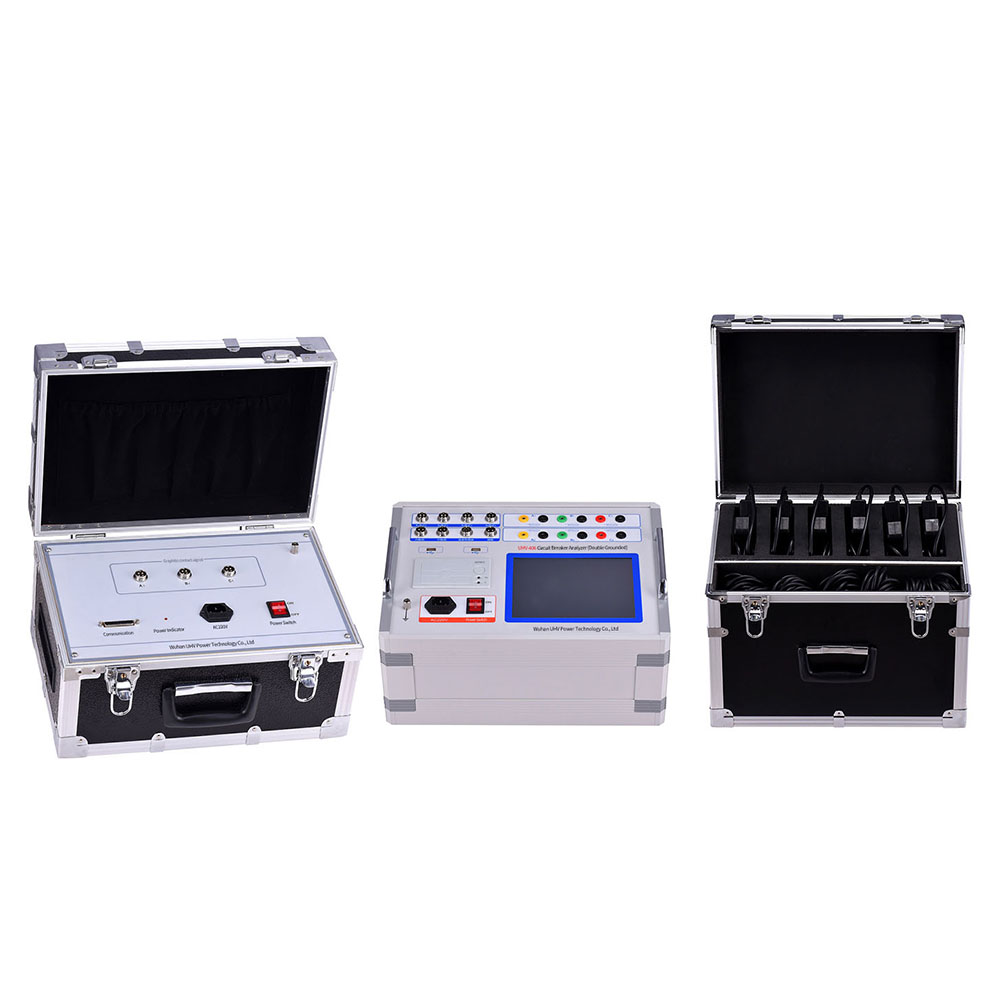
How to Choose Circuit Breaker Test Equipment for GIS
2026-09-20In the field of high-voltage switchgear testing, the circuit breaker testing of GIS composite electrical equipment has always been a difficult problem faced by on-site engineers. Unlike open devices, the circuit breaker contacts of GIS are completely enclosed in a metal shell filled with SF6 gas, and conventional test probes cannot touch the main contacts at all. Even more tricky is that according to safety regulations, both sides of the equipment must be reliably grounded during testing, and the grounding circuit will form a parallel path with the circuit breaker fracture. Traditional testing instruments are almost unable to capture the opening and closing action signals of the circuit breaker in this situation. Wuhan UHV Power Technology Co., Ltd. has accumulated a complete set of equipment selection ideas and on-site solutions around these challenges in more than 20 years of high-voltage electrical measurement practice.Understand the core challenges of GIS testingThe complexity of G
DAHA -
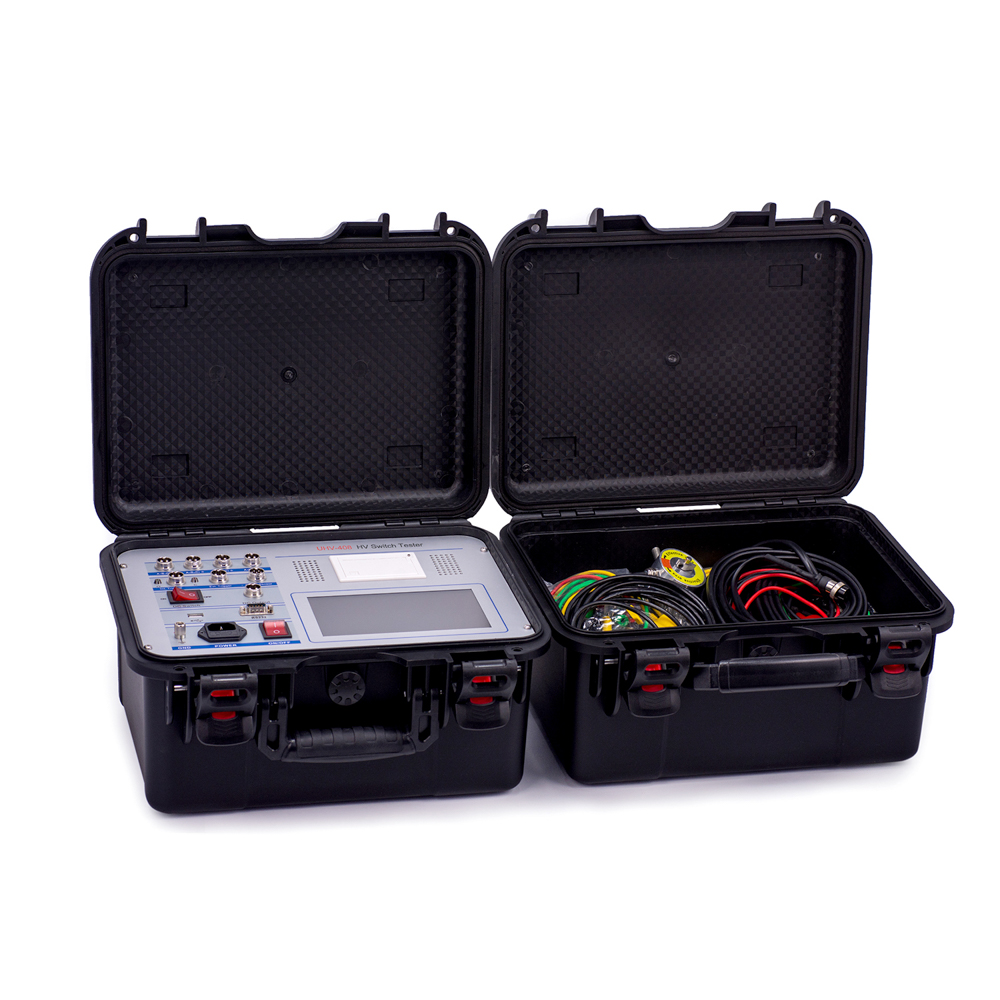
How to Choose a Circuit Breaker Analyzer
2026-09-18The global circuit breaker analyzer market is steadily expanding at a compound annual growth rate of approximately 5.0%, and is expected to reach a market size of 539 million US dollars by 2032. Behind the growth of the market is the increasing demand for refined assessment of circuit breaker status in the power industry. However, facing the numerous choices in the market from portable single function testers to integrated analysis systems, how to choose the truly applicable equipment is still a practical problem faced by many power operation and procurement personnel.In the view of Wuhan UHV Power Technology Co., Ltd., the selection decision of circuit breaker analyzers should start from the tested equipment itself. This enterprise, which has been deeply involved in the field of high-voltage electrical testing for 22 years, has a product system covering 15 major categories of products such as circuit breaker testing, series resonance testing devices, and relay protection testing. Base
DAHA -
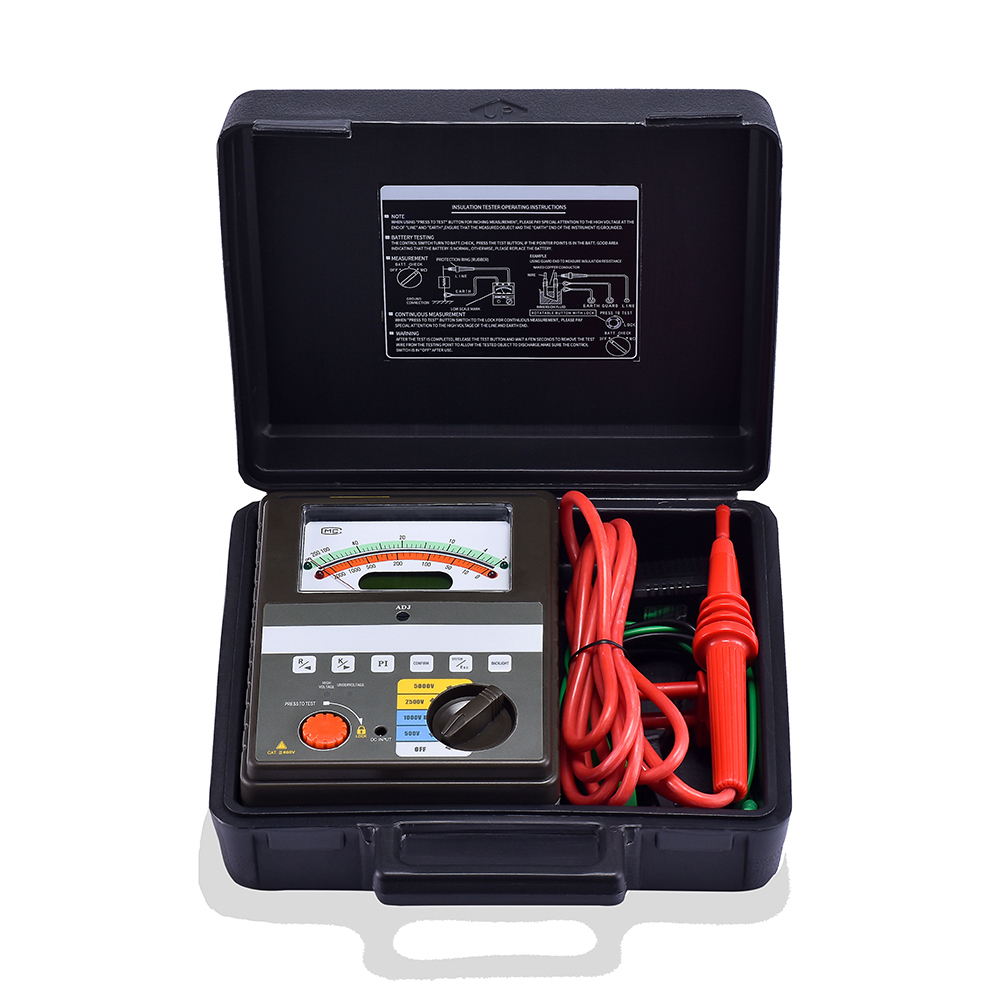
How to Choose a Transformer Insulation Resistance Tester
2026-09-16In preventive testing of power systems, transformer insulation resistance testing is the most fundamental and commonly used method to determine the main insulation condition of equipment. But an easily overlooked reality is that the reliability of test results often does not depend on the technical level of the operators, but is determined by the selection of testing equipment from the beginning. Choosing the wrong equipment makes it difficult to obtain valuable data even with standardized on-site operations.Voltage level matching is the first principle of selectionThe output voltage of the insulation resistance tester must strictly match the rated voltage level of the tested transformer, which is the most essential rule in selection. Insufficient output test voltage results in weak leakage current response of insulation defects under low voltage, making it difficult to reflect deep insulation degradation; If the voltage is too high, it may cause unnecessary stress on the insulation st
DAHA -
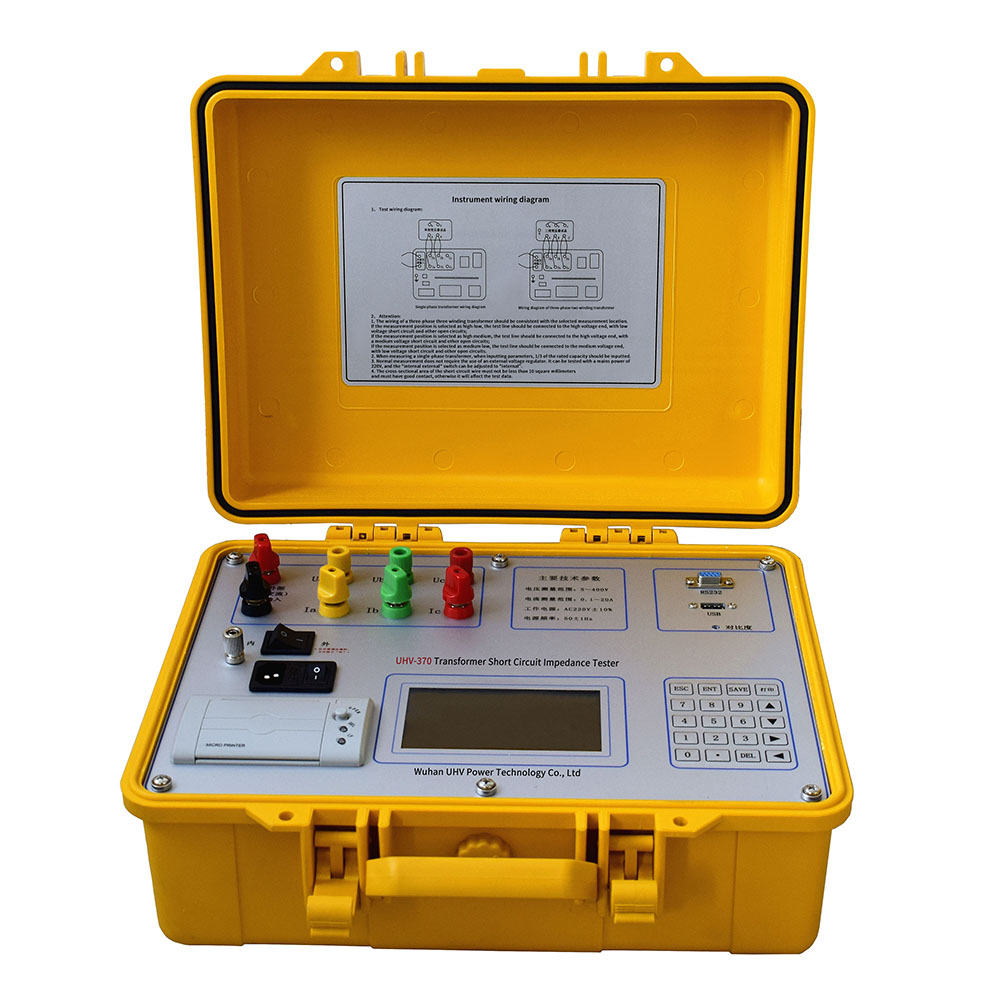
How to Choose Transformer Short-Circuit Impedance Test Equipment
2026-09-16In the chain of transformer manufacturing and operation, short-circuit impedance testing plays a key role in "winding health diagnosis". Low voltage short-circuit impedance test is the most direct method to identify whether the winding of a transformer is deformed after being subjected to mechanical force impact during transportation or installation or short-circuit current impact during operation. According to industry standards, attention should be paid when the relative deviation of short-circuit impedance exceeds 2%, and when it exceeds 5%, it can be judged that there is significant deformation in the winding. Therefore, how to choose a reliable transformer short-circuit impedance testing equipment has become a practical issue that power testers must face.Range matching is the first threshold. The voltage and current range are the core parameters when selecting. The voltage measurement range determines the voltage level of the transformer that the equipment can cover. The voltage r
DAHA -
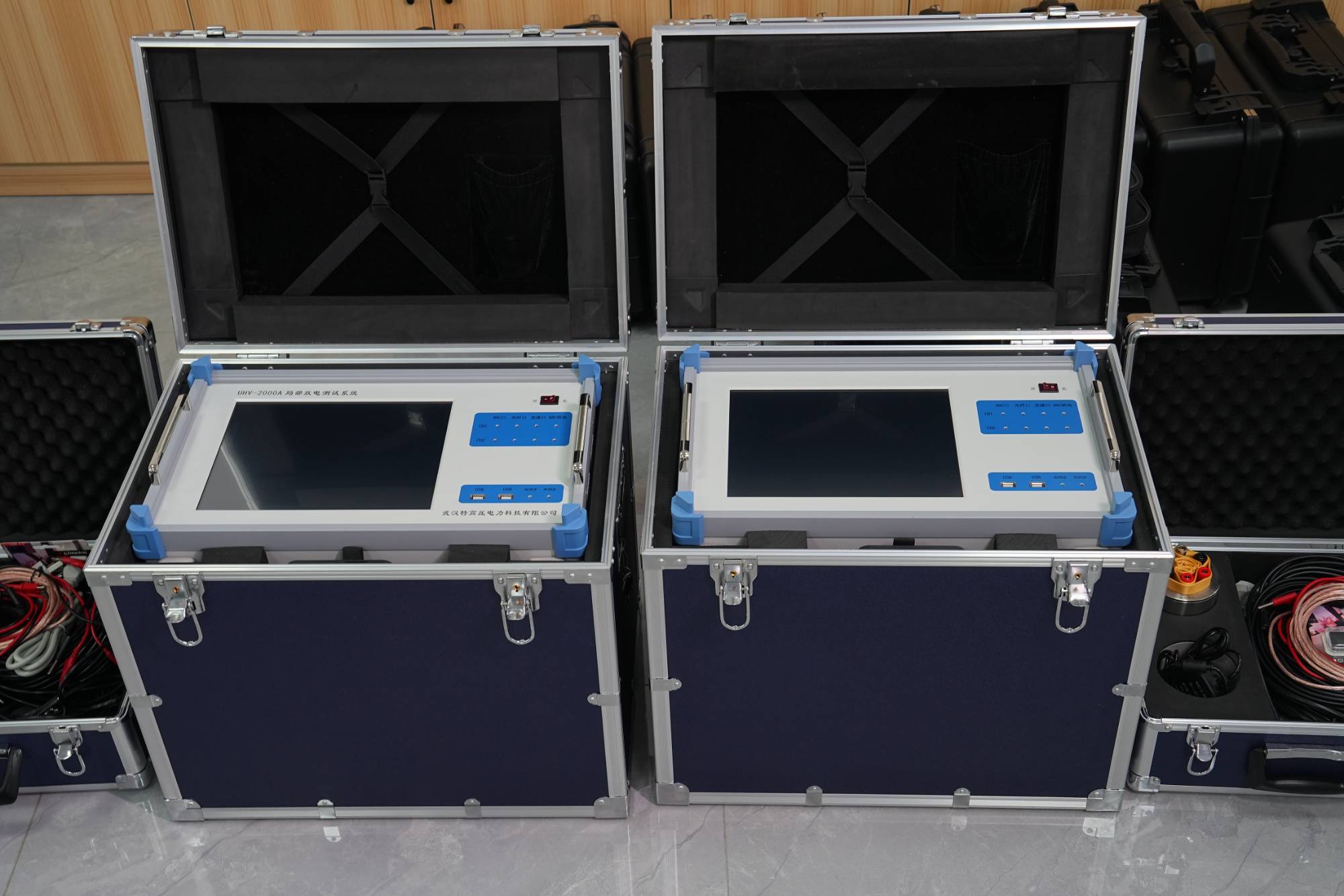
How to Choose Partial Discharge Equipment for Field Diagnosis
2026-09-14In today's increasingly normalized maintenance of power equipment, partial discharge detection has become one of the most direct means of discovering insulation hazards. But faced with a large number of products in the market, from handheld inspection devices to multi-channel complete systems, the practical problem faced by on-site operation and maintenance personnel is often not "whether to test", but "what to test and how to choose".First, distinguish between two types of scenarios: quantitative testing and live inspectionThe first step in selecting partial discharge equipment is to differentiate the usage scenarios. One type is quantitative measurement in type testing, factory testing, and handover testing, which has clear measurement requirements for sensitivity, range, and linearity. The other type is live inspection of equipment in operation, with the core requirement of rapid screening and preliminary positioning, and higher requirements for portability and anti-interference
DAHA -
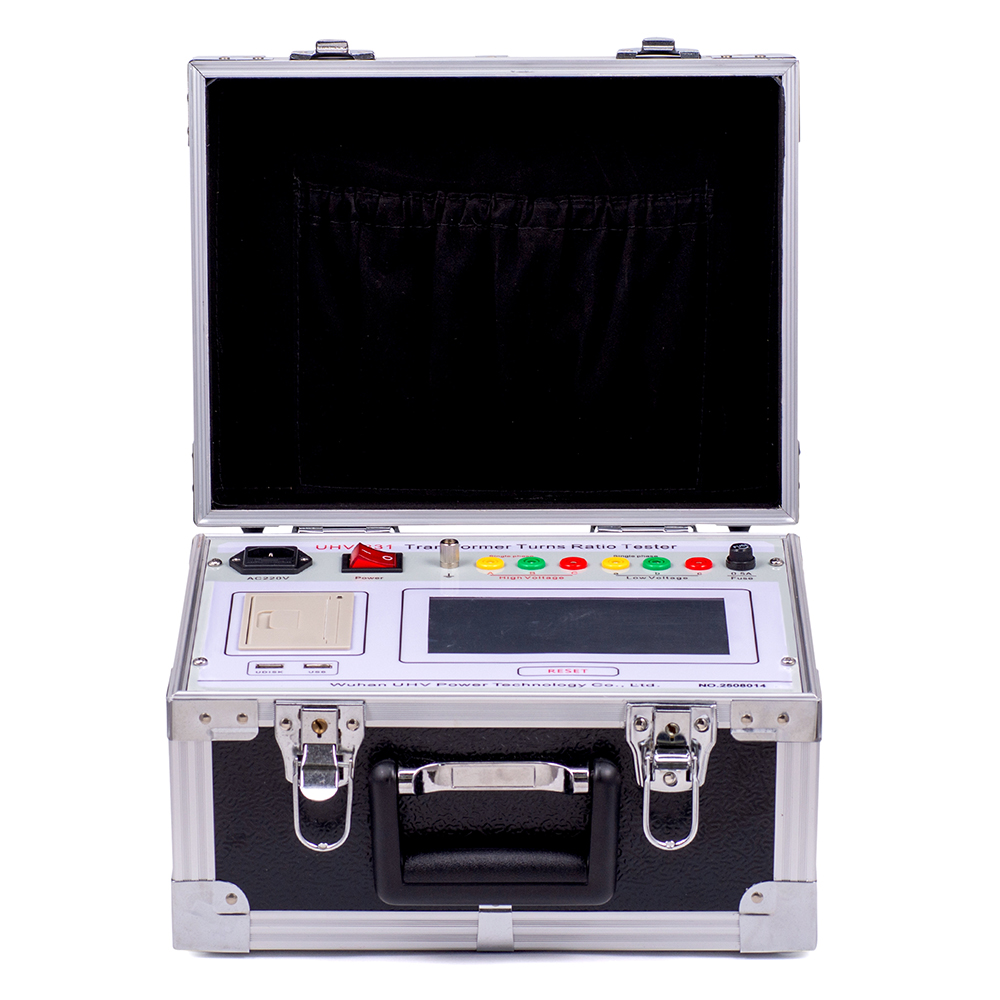
How to Choose a Transformer Turns Ratio Tester
2026-09-14Transformer ratio testing is an indispensable part of power equipment handover testing and preventive testing. According to the "Preventive Test Regulations for Power Equipment" and the "Handover Test Standards for Electrical Equipment in Electrical Equipment Installation Engineering", the transformation ratio test is listed as a mandatory test item for equipment grid connection and operation. Equipment that fails the test is strictly prohibited from being put into operation. This rigid requirement directly affects the reliability of detection data and the accuracy of equipment status evaluation in the selection of turns ratio testers.Faced with a wide variety of turns ratio testers in the market, procurement and technical personnel need to conduct systematic evaluations from multiple dimensions such as transformer asset coverage, accuracy level matching, functional integrity, and on-site adaptability, rather than making decisions based solely on brand or quotation.Accuracy level: the
DAHA -
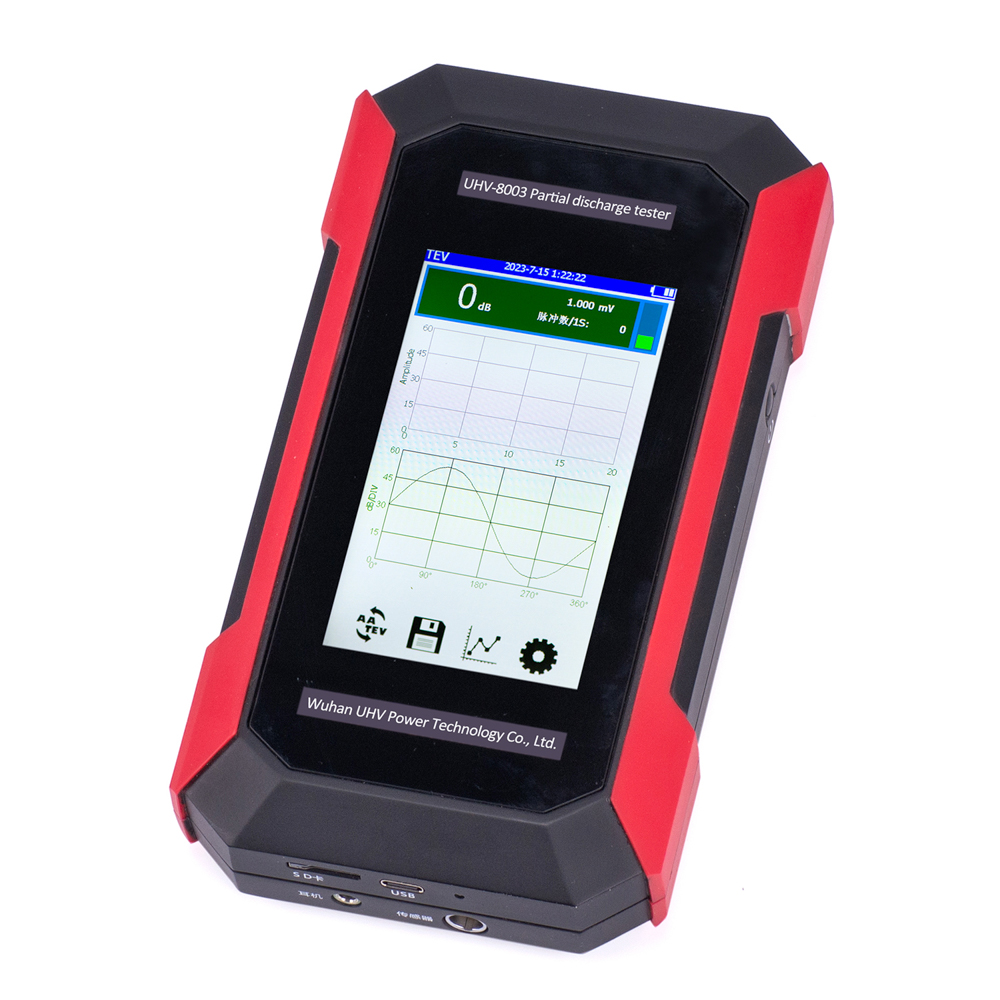
How to Choose a TEV Partial Discharge Detector
2026-09-10In the maintenance system of high-voltage power equipment, partial discharge detection has become one of the most effective means to discover insulation hazards. Among various partial discharge detection methods, transient earth voltage (TEV) detection has become the preferred solution for large-scale daily inspections of distribution network switchgear and ring main units due to its non-invasive operation, no need for power outages, and high detection efficiency.However, when facing TEV detection equipment with prices ranging from thousands to hundreds of thousands of yuan in the market, how to make reasonable selection judgments is a practical problem that every power operation and maintenance personnel needs to face. Based on the technical accumulation and product practice of Wuhan UHV Power Technology Co., Ltd. in the field of partial discharge testing, the selection points of TEV partial discharge detectors are summarized from three dimensions: core technical indicators, adaptatio
DAHA -

UHF vs HFCT vs TEV: How to Select the Right PD Detection Method
2026-09-10Partial discharge detection is changing from an optional question to a mandatory question. When planned maintenance shifts towards predictive maintenance, the first multiple-choice question facing power operation and maintenance personnel is often not "whether to test", but "what method to use for testing". The three mainstream detection methods of ultra-high frequency (UHF), high-frequency current transformer (HFCT), and transient earth voltage (TEV) each have their own emphasis. Choosing the wrong method not only wastes resources, but also may miss the real insulation hazard.The fundamental difference between the three methods can be traced back to an engineering problem: what path does the partial discharge signal take when it propagates from the defect to the sensor? TEV relies on the transient potential changes of discharge pulses on the metal casing and grounding connection, UHF relies on the propagation of electromagnetic waves in the internal cavity of the device, and HFCT reli
DAHA -
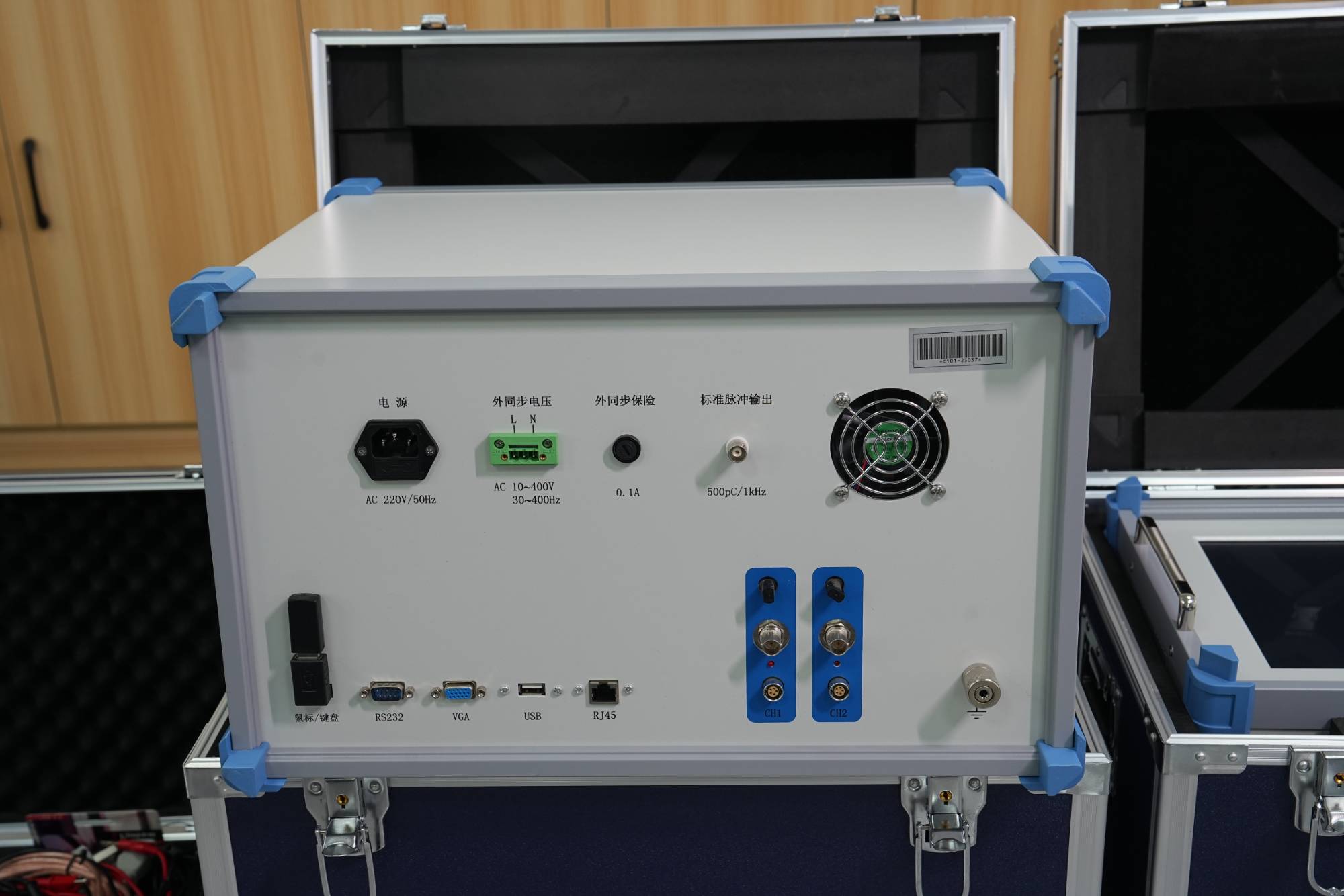
How to Select a PD Tester for Switchgear
2026-09-09With the continuous promotion of smart grid construction, partial discharge testing of switchgear has become an important part of preventive testing and condition maintenance of power equipment. Partial discharge (PD) is a discharge phenomenon in a localized area of the insulation system of electrical equipment. Although it does not immediately cause equipment failure, it is an early sign of insulation degradation. Choosing a reliable and accurate partial discharge tester is of great significance for timely detection of insulation defects and prevention of equipment failures. However, how to make the right choice based on actual needs when facing a wide variety of partial discharge tester products in the market? This article combines the relevant products and technical information of Wuhan UHV Power Technology Co., Ltd. to sort out the selection points for reference by peers in the industry.1、 Selection first depends on the voltage level, matching is the key principleBefore purchasing
DAHA -
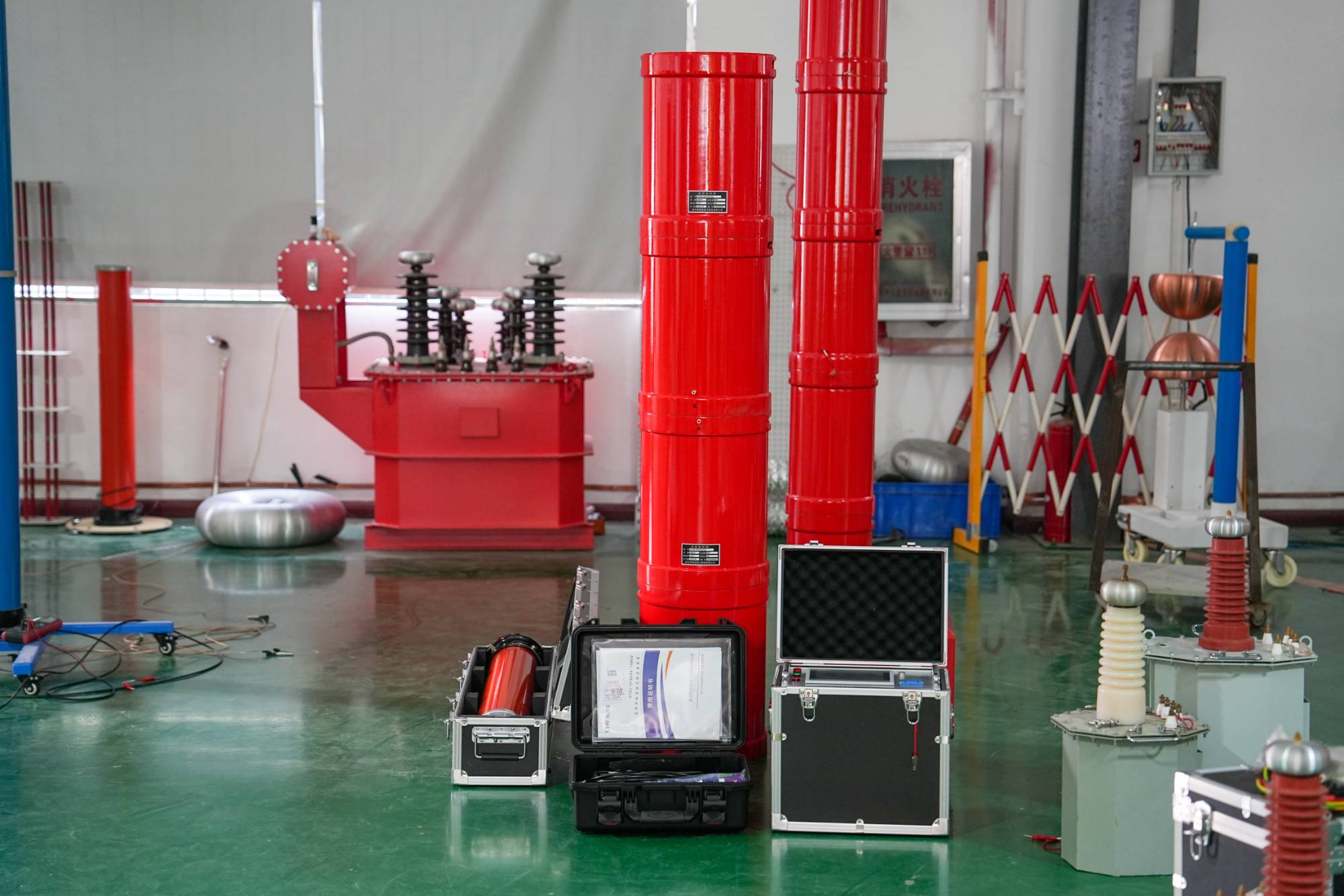
How to Calculate Required Capacity for an AC Resonant Test System
2026-09-07In the field of high-voltage testing in power systems, series resonance testing devices have become the mainstream choice for conducting AC withstand voltage tests on large capacity and high-voltage capacitive specimens. However, how to accurately calculate the required capacity of AC resonance testing systems has always been a technical challenge that troubles many power workers. Wuhan UHV Power Technology Co., Ltd., as a high-tech enterprise in the field of high-voltage electrical measurement in China, has systematically sorted out the core methods and selection points of capacity calculation based on years of research and production experience in series resonance test devices.1、 The core formula for capacity calculationThe capacity calculation of the AC resonance testing system is based on the LC series resonance principle. When the inductive reactance in the circuit is equal to the capacitive reactance, the system enters a resonant state, and the power supply only needs to provide
DAHA -
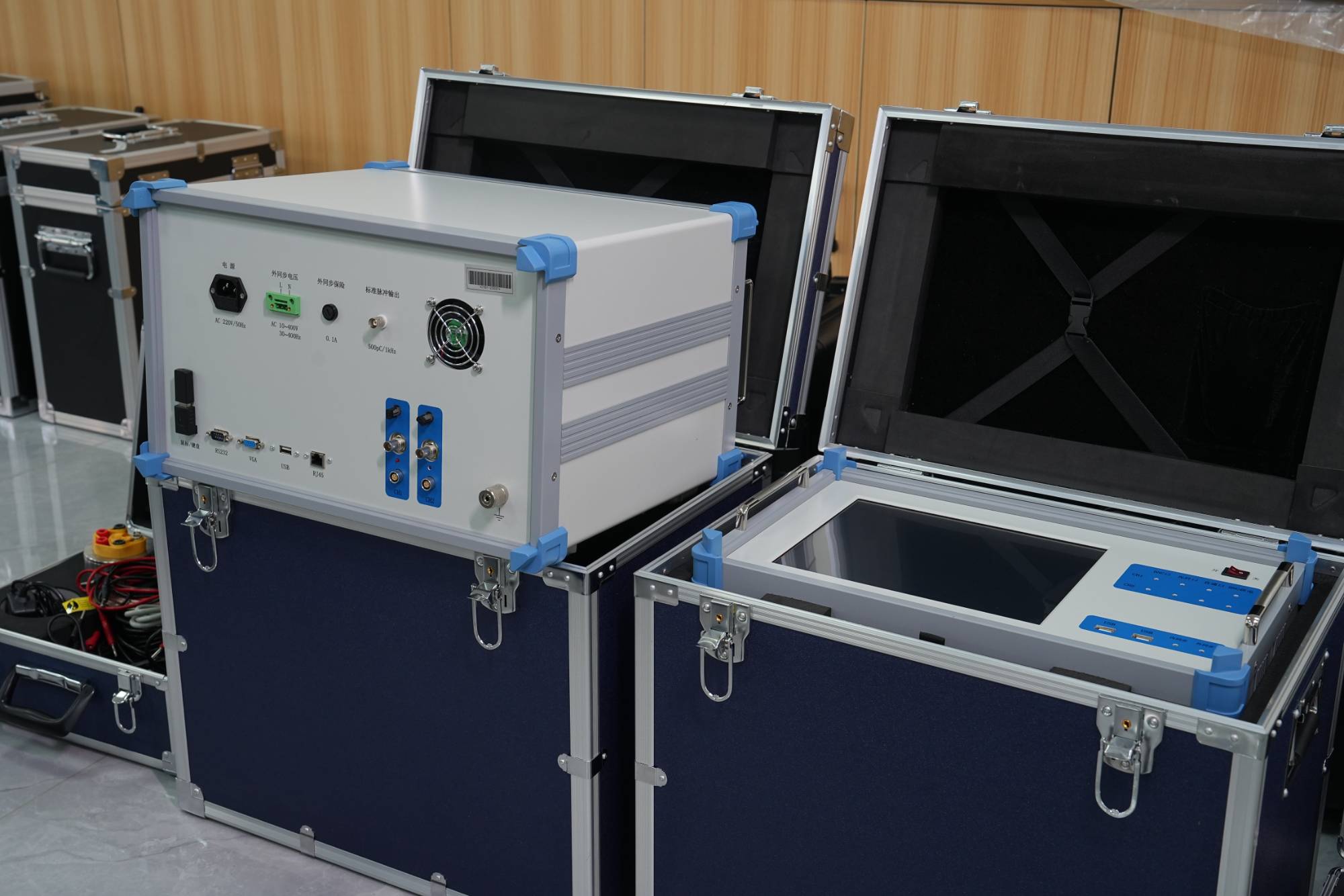
How to Select a PD Tester for Power Cables
2026-09-07With the widespread application of power cables in fields such as power grids, new energy, and rail transit, partial discharge detection has become an important means of evaluating cable insulation status and preventing insulation faults. According to statistics, 82% of insulation faults in cables with voltage levels of 10kV and above can be identified in advance through partial discharge detection. However, facing the wide variety of partial discharge testers in the market, how to scientifically select them has become a practical problem faced by many power operation and maintenance units. Recently, Wuhan UHV Power Technology Co., Ltd. has released a selection guide for partial discharge testers for power cables based on years of industry experience, providing users with reference from multiple dimensions.Clarifying testing requirements is the first step in selectionBefore selecting, the technical department should first clarify the actual usage needs of the unit. Voltage level matchi
DAHA -
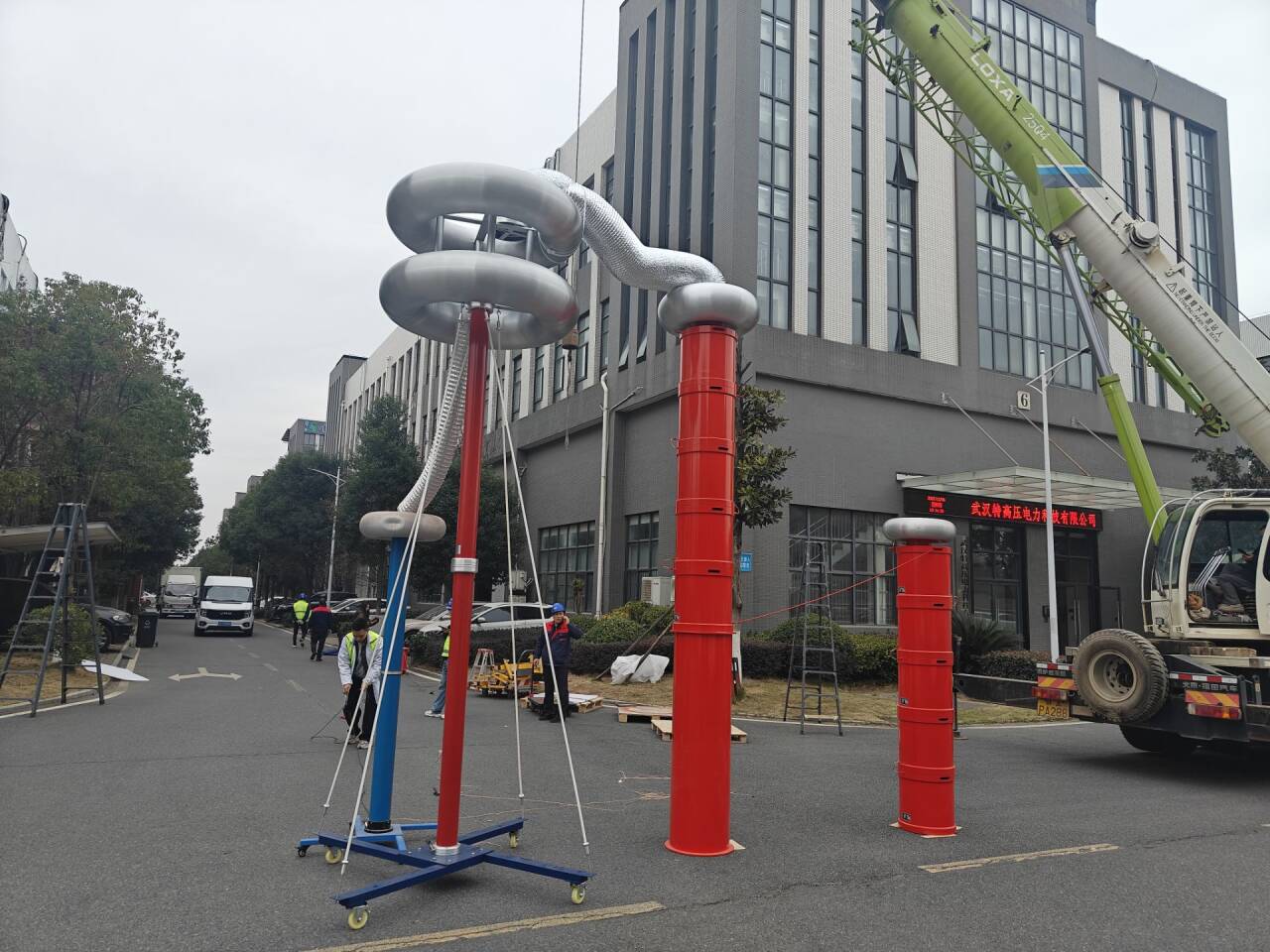
Series Resonance vs Parallel Resonance: Which Test System Should You Choose?
2026-09-03In the field of insulation testing for high-voltage power equipment, resonance testing technology has become an indispensable core means. Series resonance and parallel resonance, as two mainstream technical solutions, each have unique circuit characteristics and application scenarios. How to accurately select based on actual testing needs is a key issue that every power operation and maintenance personnel must face. Wuhan UHV Power Technology Co., Ltd., as a high-tech enterprise in the field of high-voltage electrical measurement in China, has long been committed to the research and production of series resonance test devices, partial discharge testing systems and other products. This article comprehensively compares and analyzes two resonance test systems based on the company's technical data, providing selection references for industry users.1、 Basic principles of two resonance techniquesThe series resonance test device consists of a variable frequency control power supply, an ex
DAHA -
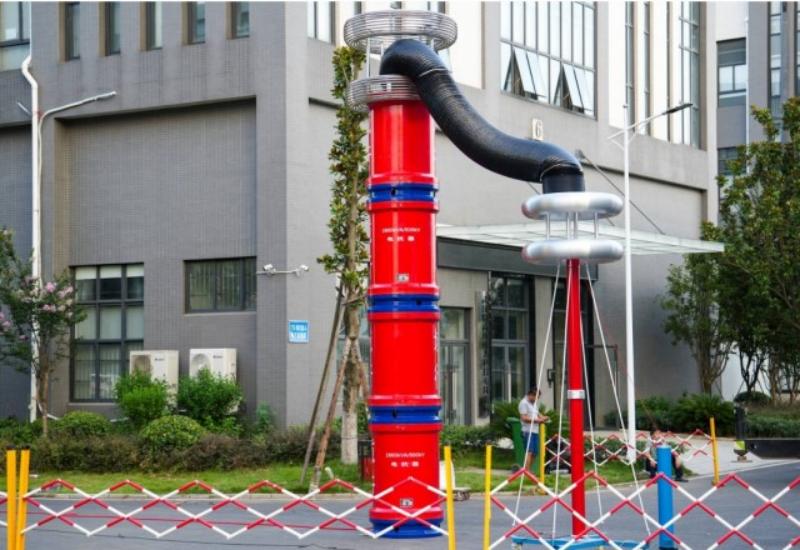
How to Choose a Resonant Test System for Long-Distance Cables
2026-09-03With the continuous expansion of China's power grid and the acceleration of new energy projects, the laying mileage of long-distance high-voltage cables has been increasing year by year. As the "energy artery" of power transmission, the insulation performance of cables directly affects the safety of power grid operation. The series resonance withstand voltage test has become the core means of pre commissioning handover testing and preventive testing during operation of cables. However, facing cables of different voltage levels, lengths, and cross-sectional areas, how to scientifically select a suitable variable frequency series resonance test device is a practical problem faced by many power construction units and power supply companies in equipment procurement. Wuhan UHV Power Technology Co., Ltd. (hereinafter referred to as "Wuhan UHV") has summarized several key points for selecting long-distance cable resonance testing systems based on nearly 22 years of industry experience.1、
DAHA -
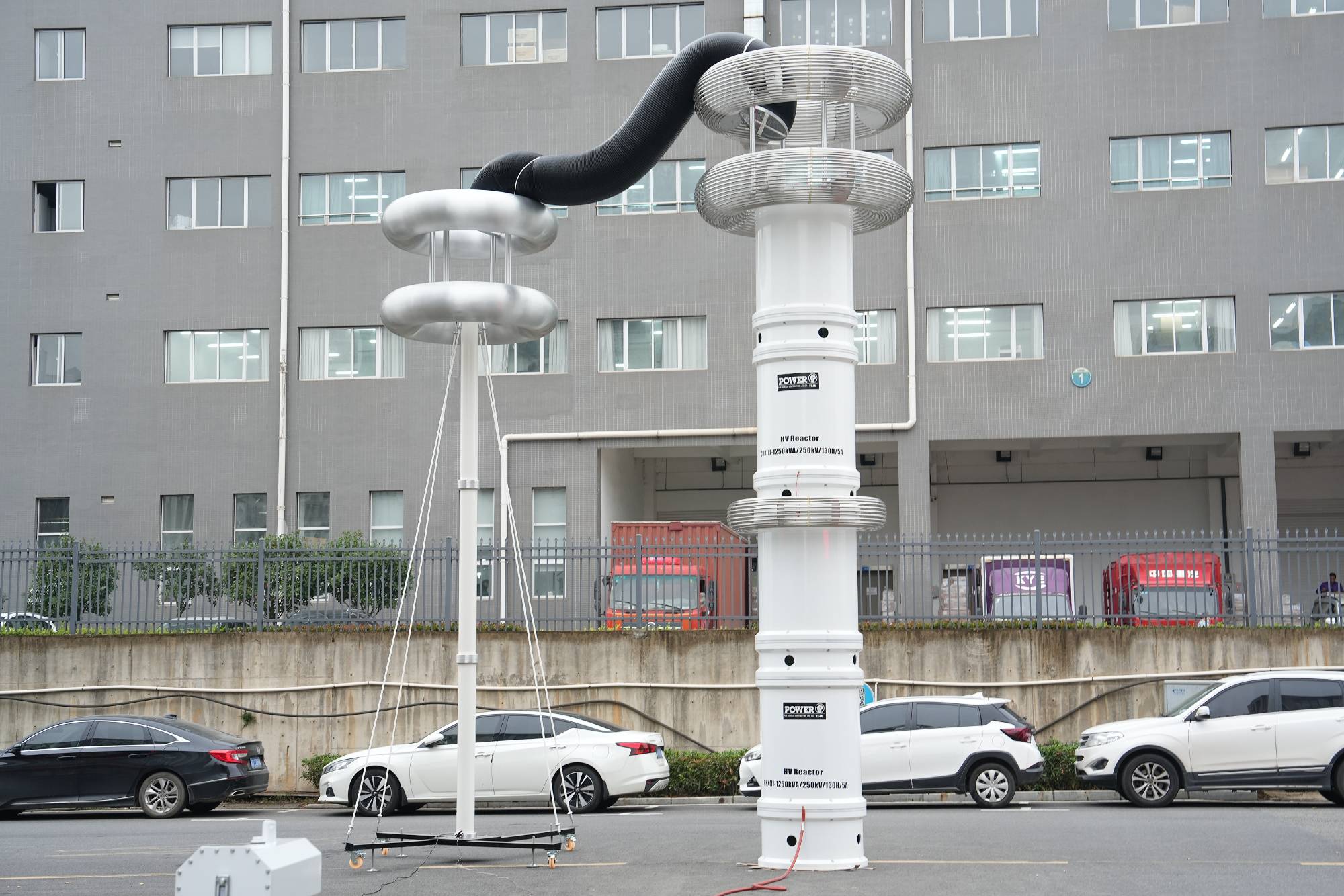
How to Choose an AC Resonant Test System by Test Frequency
2026-09-02In the field of high-voltage testing for power equipment, the AC Resonant Test System is the core equipment for conducting AC withstand voltage tests on cross-linked cables, hydroelectric generators, main transformers, GIS and other equipment. Faced with the dazzling array of product models in the market, how to choose a testing system that suits one's own needs has become a focus of attention for many power workers. Wuhan UHV Power Technology Co., Ltd. (hereinafter referred to as "Wuhan UHV"), based on years of industry experience, points out that testing frequency is one of the most core considerations in the selection process.Why is frequency so crucial?The working principle of variable frequency series resonance technology is to adjust the output frequency of the variable frequency power supply, so that the reactor inductance (L) and the capacitance of the test sample (C) in the circuit resonate, thereby generating high voltage on the test sample. The resonant frequency is dete
DAHA -
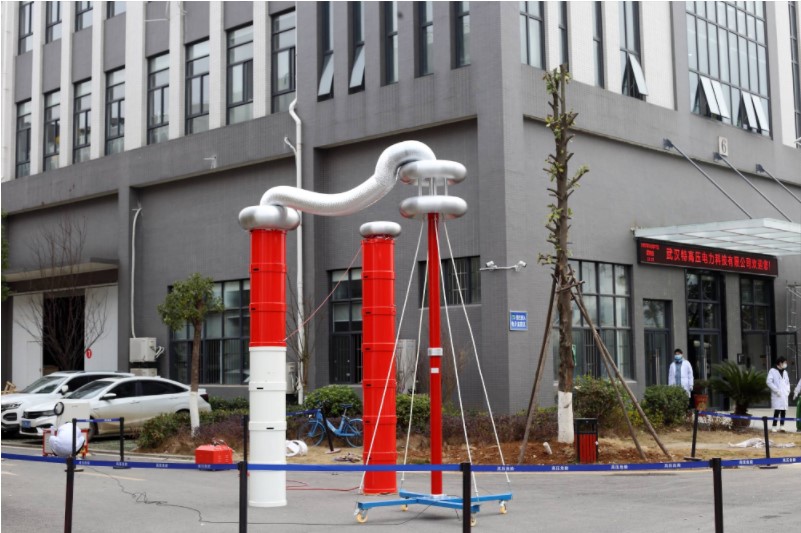
How to Select an AC Resonant Test System for Transformers
2026-08-31In the preventive testing and factory inspection of high-voltage power equipment, AC withstand voltage test is a key link in testing the insulation performance of transformers. The series resonance test device has become the mainstream choice for transformer AC withstand voltage testing due to its significant advantages such as small power capacity, light equipment volume and weight, and good output waveform. However, facing different voltage levels, sample capacities, and testing requirements, how to scientifically select a suitable AC resonance testing system is a key concern for many power engineering units.Clarify the voltage level and test capacity of the tested transformerThe first step in selection is to determine the voltage level and test capacity of the tested transformer. The technical team of Wuhan UHV Power Technology Co., Ltd. pointed out that transformers of different voltage levels have completely different requirements for the rated voltage and capacity of the testing
DAHA