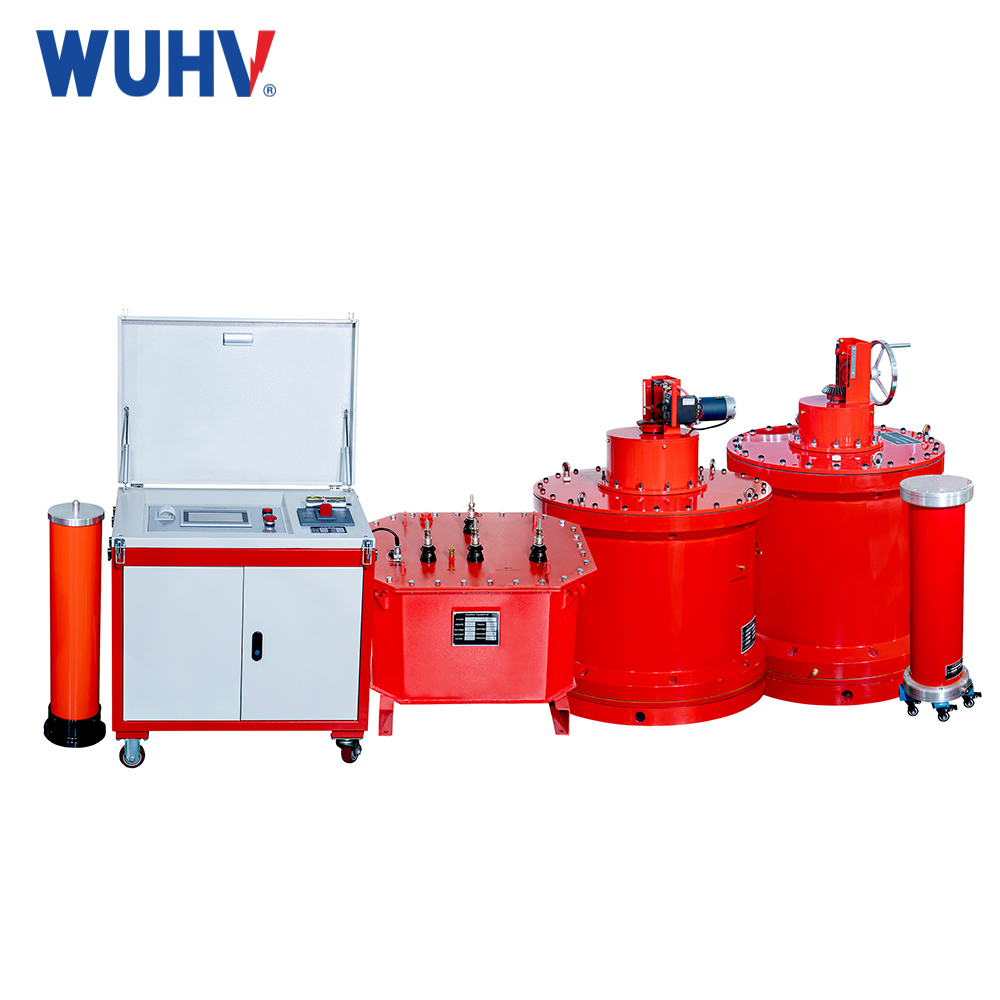
In the power system, the reliability of insulation is the key to ensuring the normal operation of equipment and the safety of personnel. Themegohmmetre, seemingly an ordinary measuring instrument, plays an important role as a "health inspector" for electrical safety. What is a megohmmeter? How does it work?
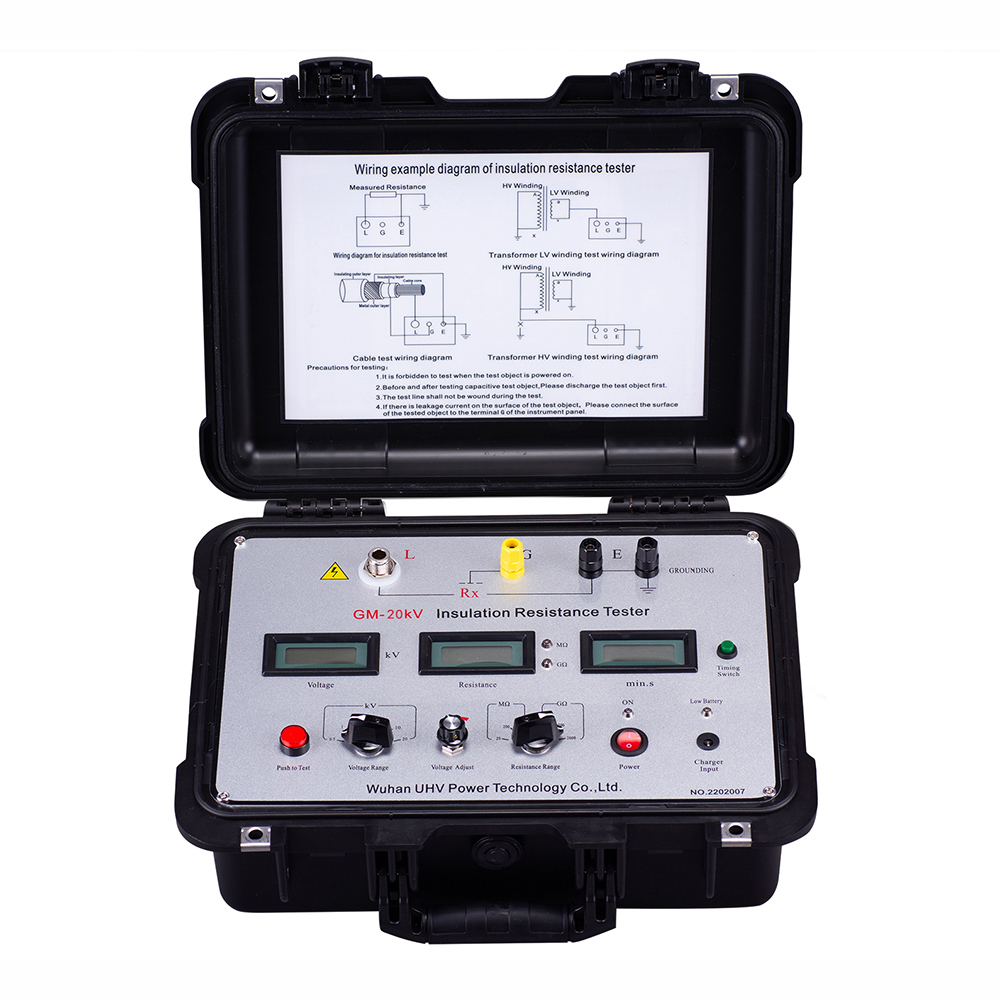
A Megger, as the name suggests, is an instrument used to measure high resistance, especially in the field of electricity. It is mainly used to measure the insulation resistance of electrical equipment. Simply put, it calculates the insulation resistance by applying a high DC voltage (usually several hundred to several thousand volts) and measuring the weak current flowing through it. The higher this value, the better the insulation performance and the less likely it is for leakage or breakdown to occur.
The 'mastermind behind' affecting insulation resistance
To accurately evaluate the insulation performance of equipment, we need to understand what factors can cause disruptions:
Environmental factors such as humidity, dust, and oil stains can significantly reduce insulation resistance. Imagine a wet wire, it's hard to make it non-conductive!
Temperature: An increase in temperature usually leads to a decrease in the performance of insulation materials, and the resistance value also decreases accordingly.
Equipment aging: Insulation materials will age and deteriorate over time, and their insulation performance will naturally be greatly reduced.
Voltage level: Different devices have requirements for the applied test voltage, and low or high voltage may affect the accuracy of measurement results.
Playing with a megohmmeter, these tools are essential
To measure insulation resistance well, professional tools are indispensable. In addition to the megohmmeter itself, you also need:
Wires and clips: used to connect a megohmmeter to the device under test.
Cleaning tool: Wipe the connection points of the tested device to ensure good contact.
Protective equipment: Pay attention to safety during the measurement process, wear insulated gloves, etc.
The things about insulation resistance and "stable operation"
The measurement of insulation resistance is closely related to the stability of power systems, equipment lifespan, and electrical safety. A good insulation resistance is the foundation for preventing electrical accidents from occurring. Especially during electrical equipment maintenance, regular insulation resistance testing is an essential step.
How to maximize the value of a megohmmeter?
The key to measuring insulation resistance well is to follow the standardized operating procedures:
Choose the appropriate megohmmeter: Based on the voltage level of the tested equipment, select the appropriate range and test voltage megohmmeter.
Take good safety precautions: Ensure that there is no one in the testing area, the equipment has been powered off and discharged.
Clean connection point: Wipe the surface of the device under test and the connection end of the megohmmeter clean.
Correct connection: Connect the megohmmeter correctly to the device under test according to the instructions.
Measure: Slowly and evenly shake the handle (if hand cranked) or press the start button, and record the reading.
Analysis results: Compare the measurement results with relevant standards or historical data to determine whether the insulation performance is qualified.
Wuhan UHV Power Technology Co., Ltd. has a profound accumulation in the field of high-voltage electrical equipment, providing high-quality electrical equipment and professional testing services to numerous customers. They have a profound understanding of insulation performance testing and can provide professional solutions for measuring power equipment.
Frequently Asked Questions (FAQ)
Q1: Why do readings sometimes change duringmegohmmetre testing? A1: This may be related to changes in environmental humidity and temperature, or slight oil stains and dust on the surface of the tested equipment. Wuhan UHV Power Technology Co., Ltd. suggests ensuring that the tested equipment is clean and the environment is stable before measurement.
Q2: What is the qualified value of insulation resistance? A2: The qualified value varies depending on the equipment type, voltage level, and national standards, and usually has clear regulations. When maintaining electrical equipment, it is essential to refer to relevant technical specifications.
Q3: Can a megohmmeter be used to measure capacitance? A3: A megohmmeter is mainly used to measure resistance. Although it may reflect the charging and discharging effects of capacitance during the testing process, it is not a specialized capacitance measuring instrument.
Q4: Why do I use different megohmmeters to measure the same device with different readings? A4: There may be differences in the accuracy and testing voltage of megohmmeters of different brands and models. Wuhan UHV Power Technology Co., Ltd. reminds you to choose instruments that meet standards and have high accuracy for measuring power equipment, and to pay attention to recording the model and calibration information of the instruments.
Q5: What safety precautions should be taken when conducting high-voltage electrical equipment testing? A5: It is necessary to follow the operating procedures, wear insulation protective equipment, ensure that the tested equipment has been powered off and discharged, and operate under the guidance of professional personnel.