Product Introduction
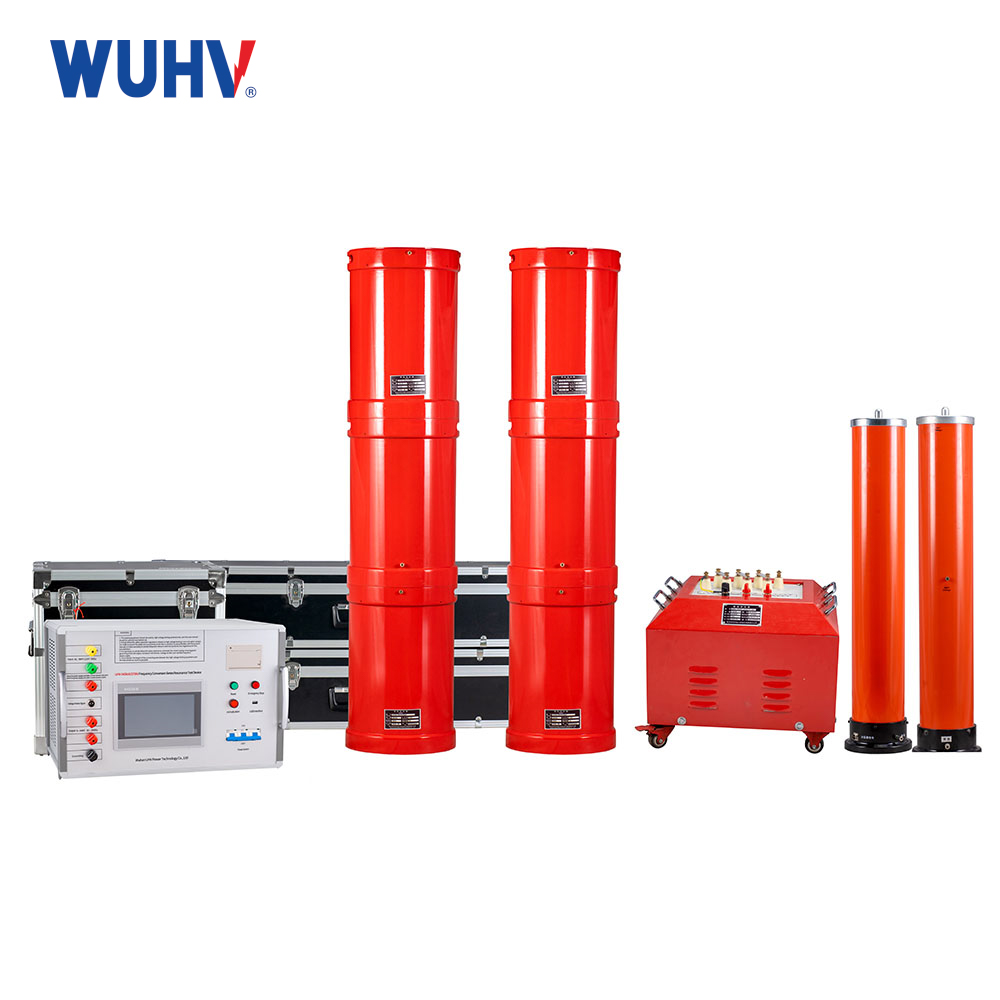
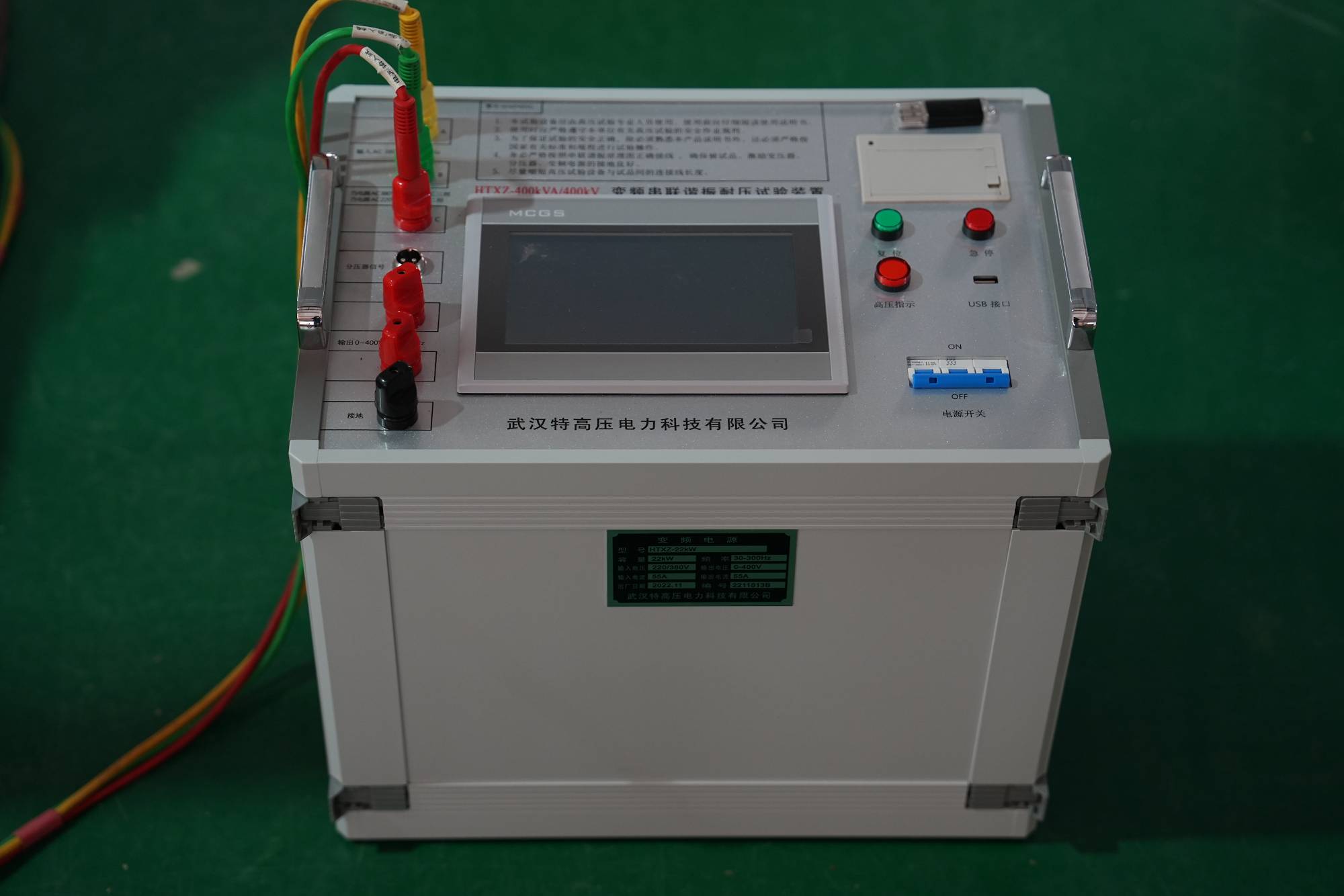
The AC Resonant Test Set for Cable is a portable variable-frequency AC series resonant test system designed for high-voltage and ultra-high-voltage cable withstand voltage testing. It is suitable for cable installation acceptance tests, preventive maintenance tests, and insulation performance verification in power transmission and distribution systems.
The system uses series resonance technology to generate high AC test voltage with relatively low power input. By adjusting the output frequency to achieve resonance between the high-voltage reactor and the capacitive test object, the system can provide stable and efficient high-voltage testing performance while keeping the equipment compact and easy to transport.
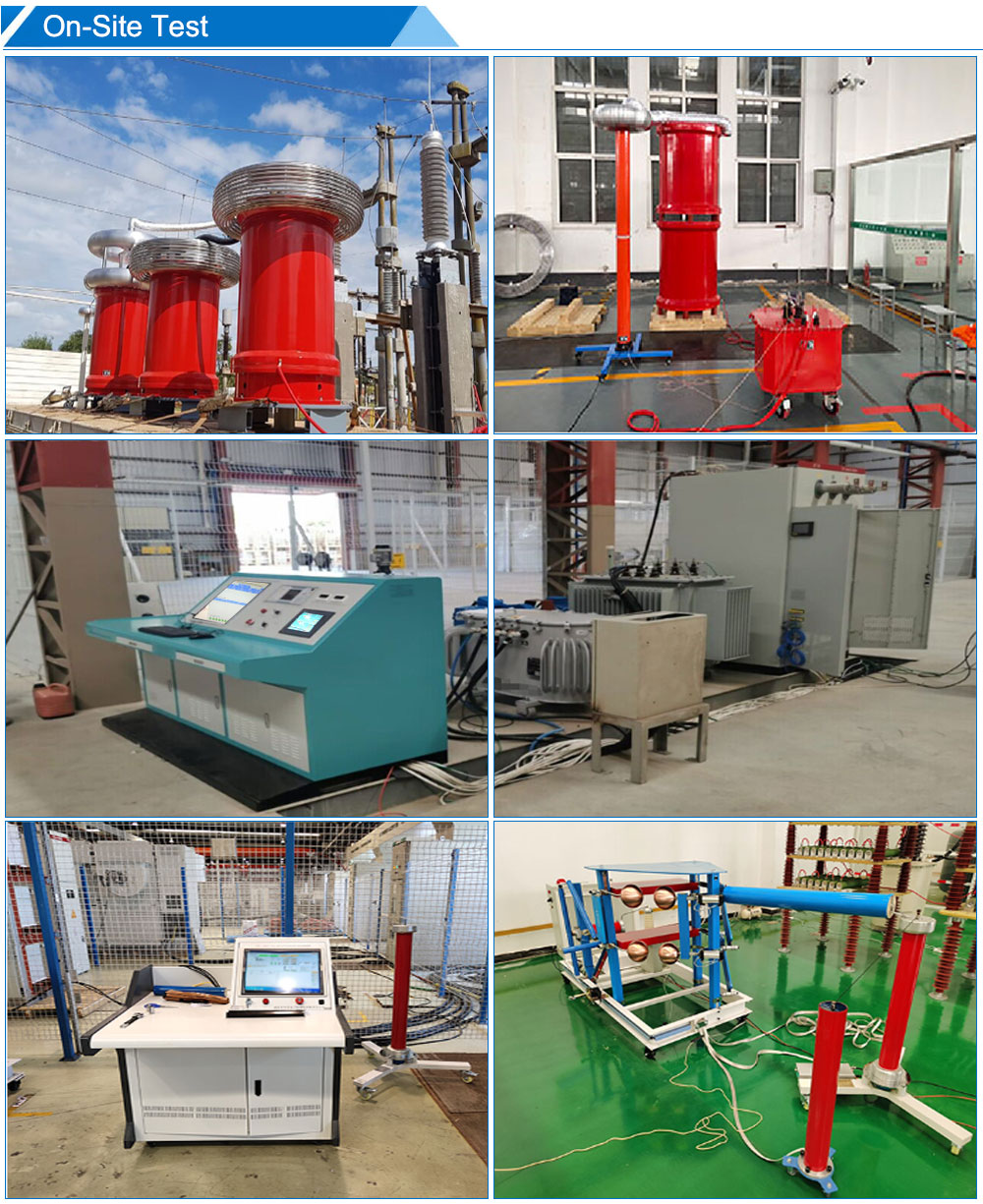
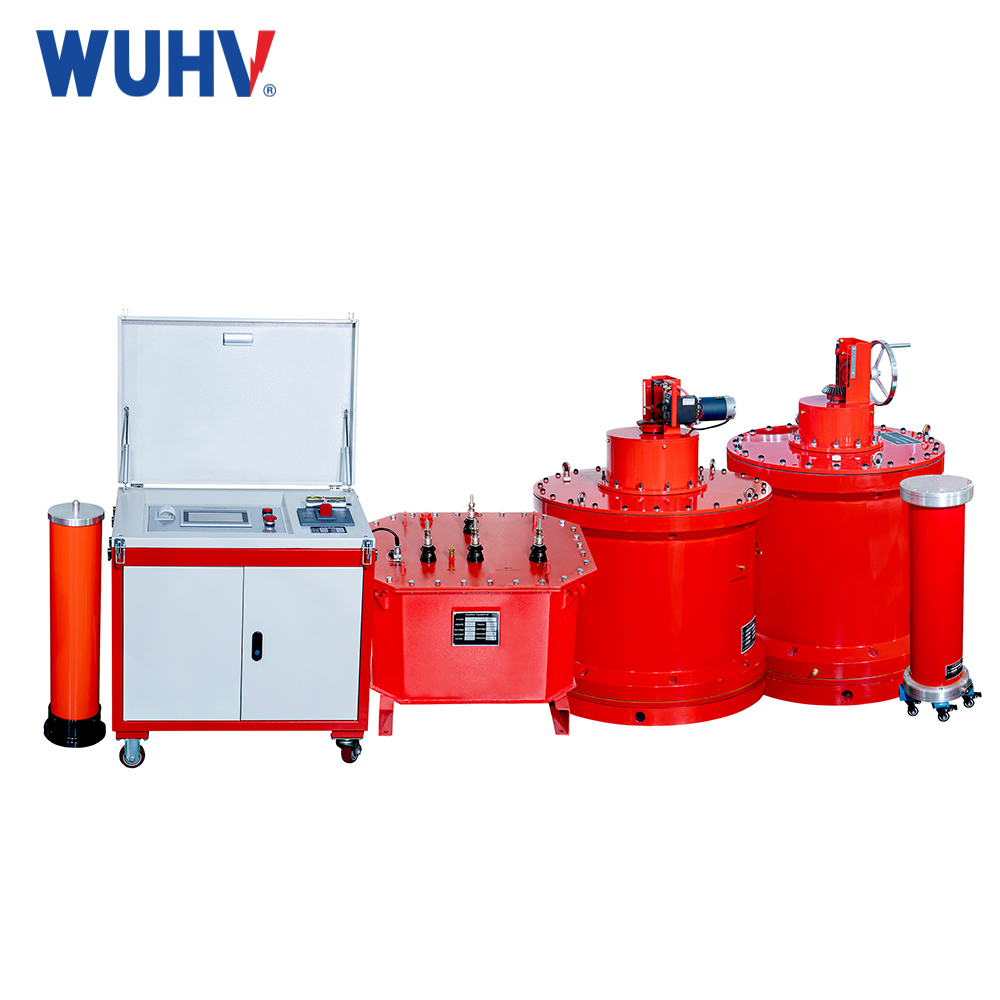
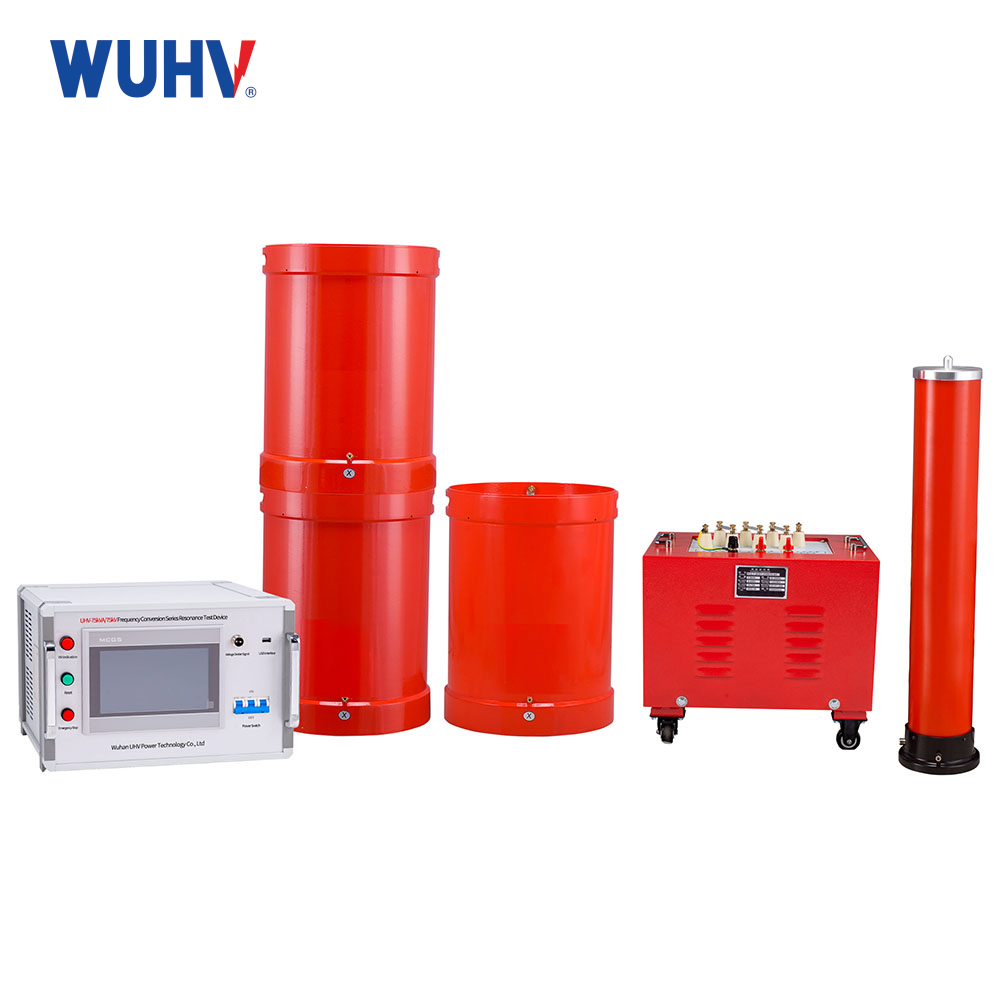
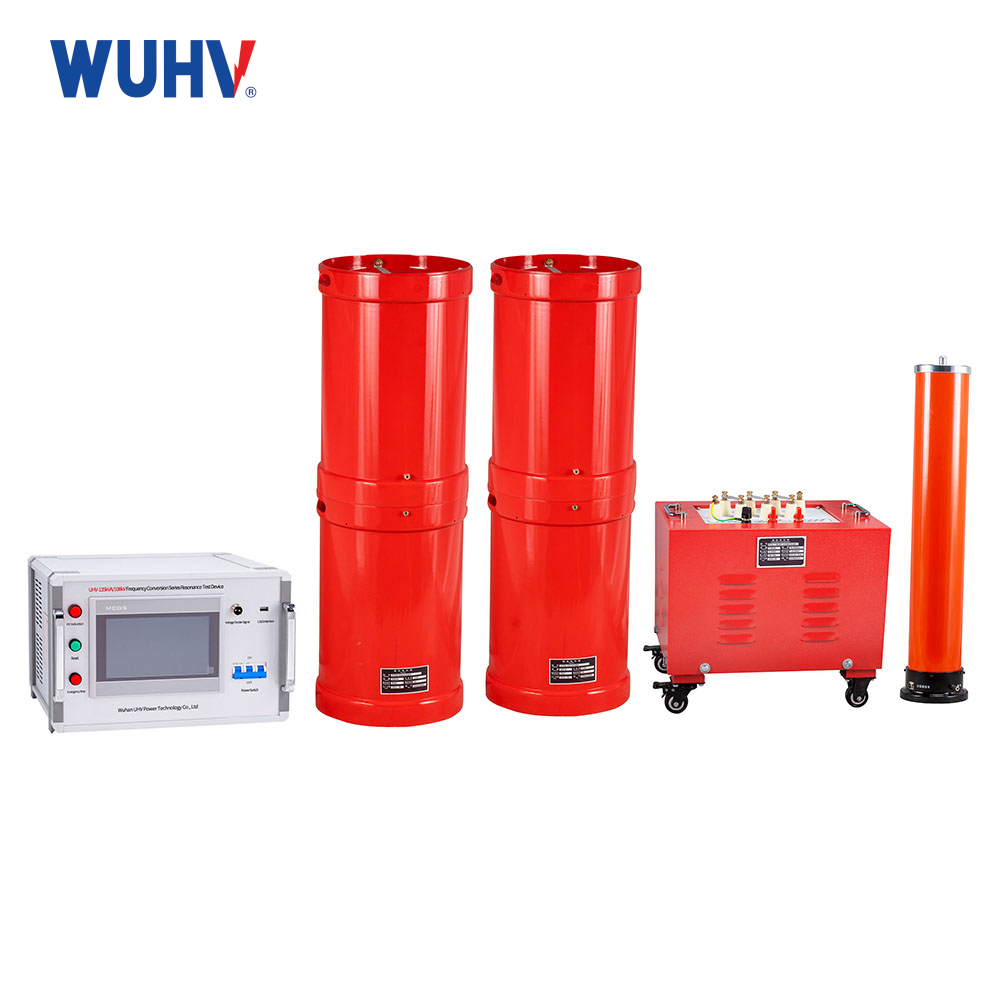
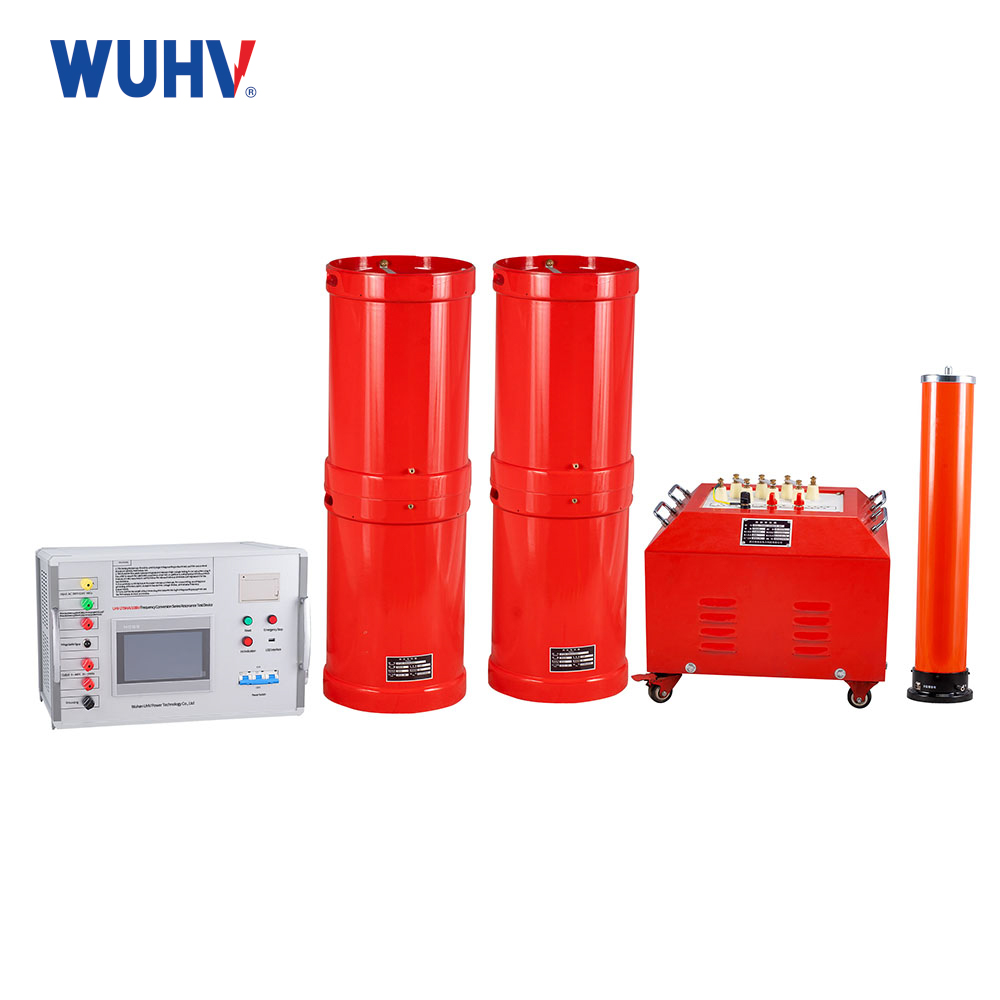
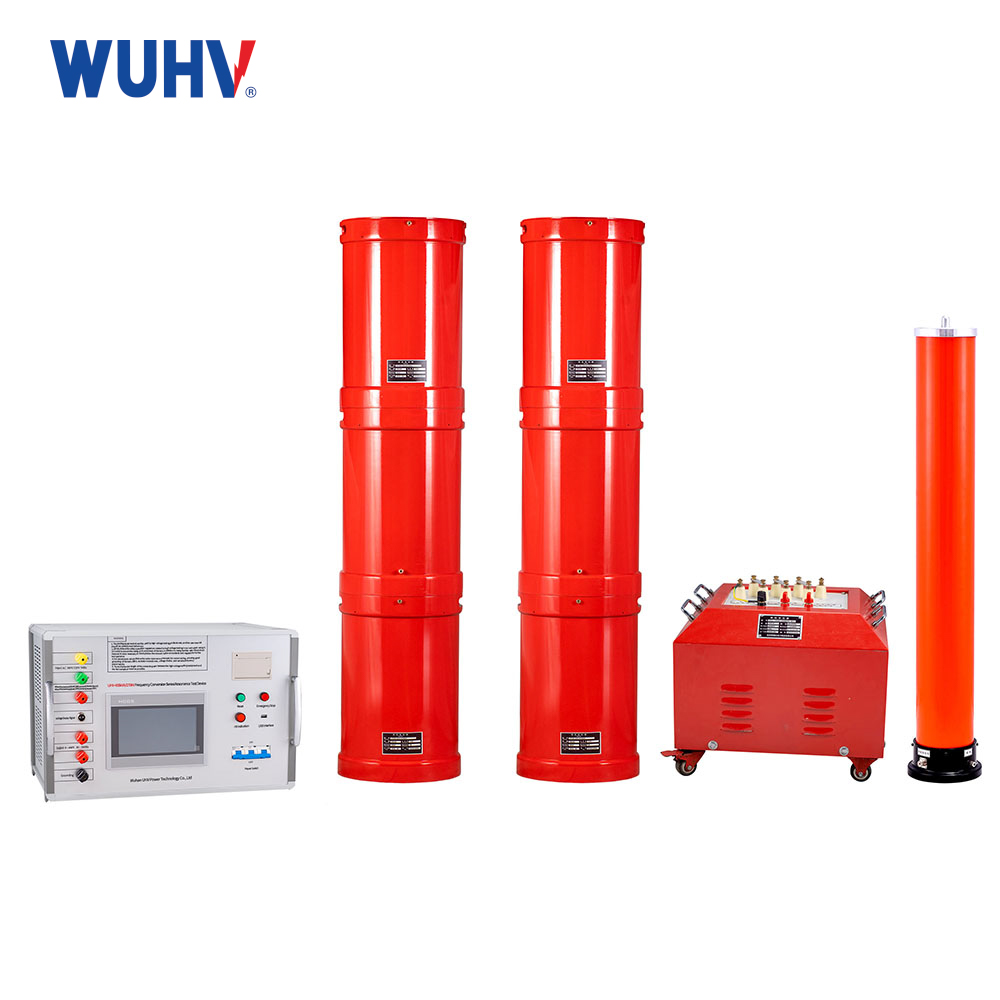
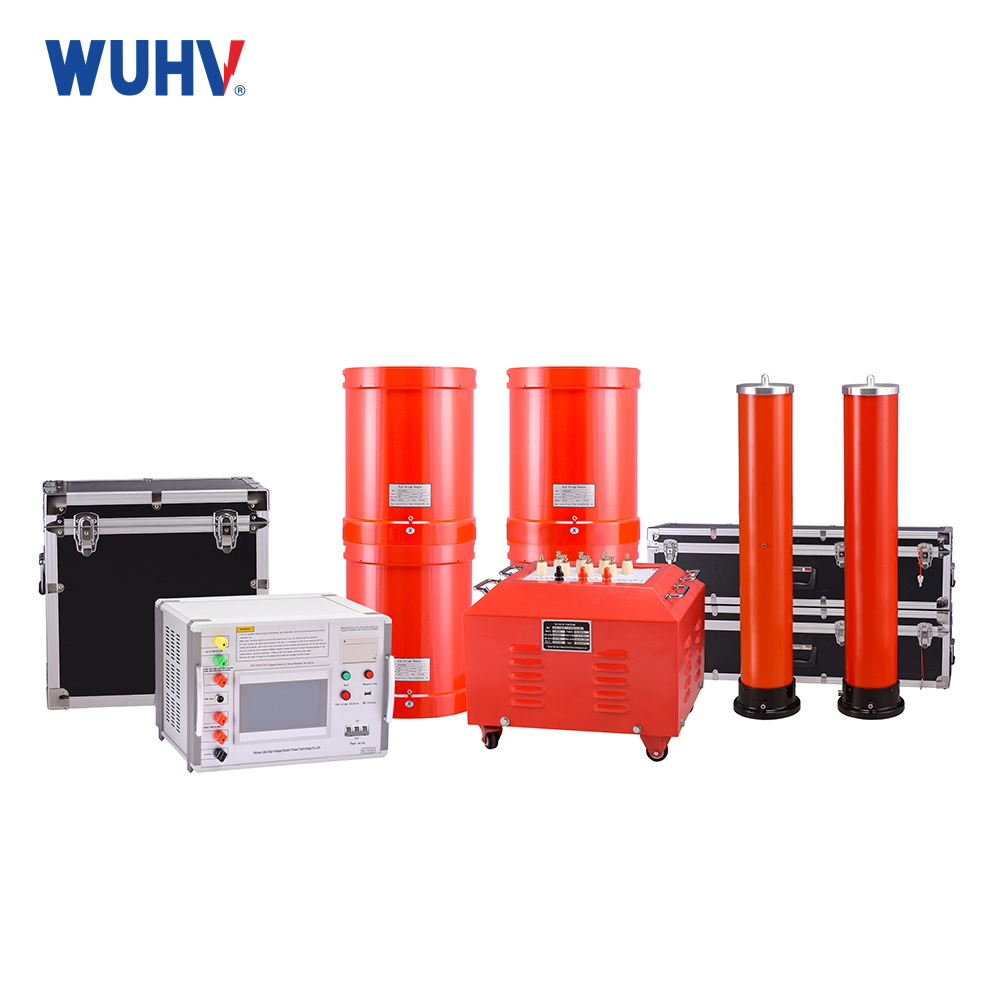
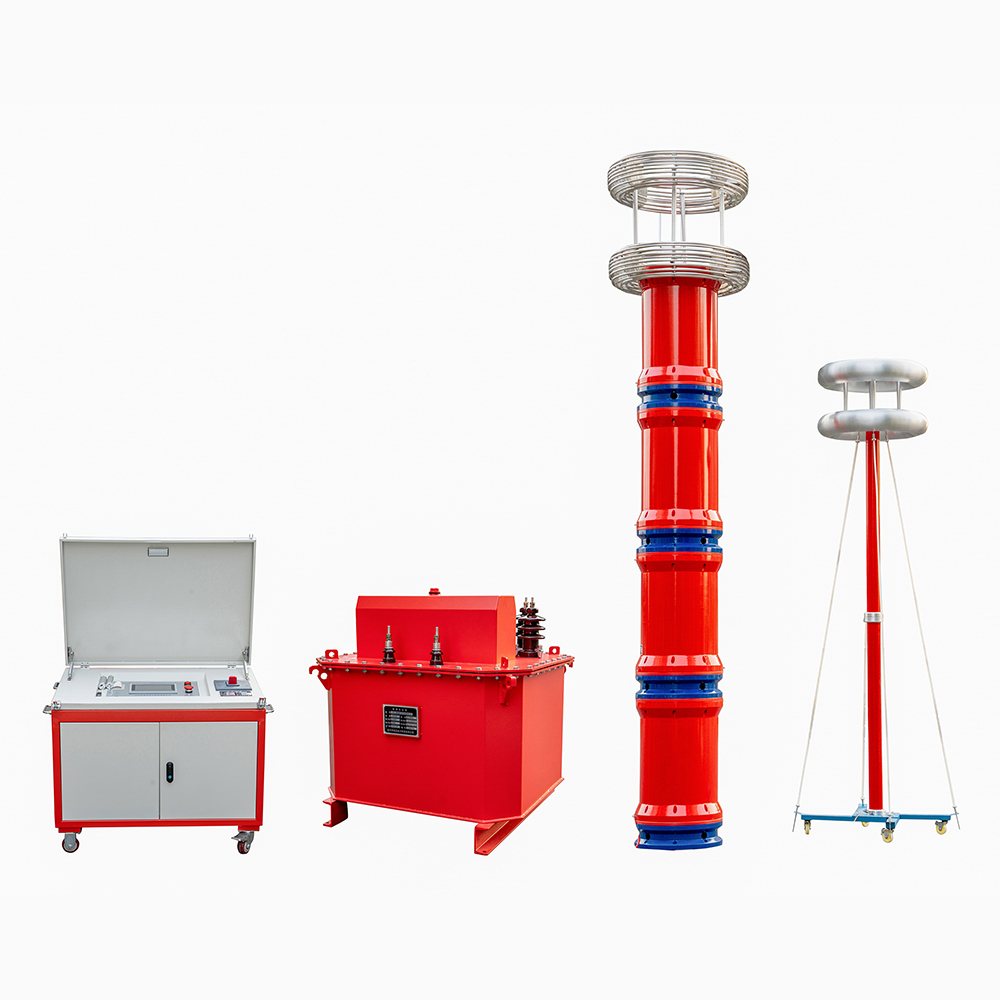
The system is mainly composed of a frequency conversion AC power source, excitation transformer, high-voltage reactors, and high-voltage capacitor divider. The modular configuration can be selected according to the cable voltage level, cable length, capacitance, and required withstand voltage.
Product functions
1. AC withstand voltage testing
Used for AC withstand voltage testing of high-voltage and extra-high-voltage cables. By applying the specified AC high voltage, it tests whether the cable insulation system meets withstand voltage requirements. Suitable for cable installation, commissioning, and preventive testing.
2. Variable-frequency resonant technology
Adopts the principle of variable-frequency series resonance. By adjusting the output frequency to bring the test circuit into resonance, it achieves a higher test voltage with relatively low input power. Particularly suitable for high-voltage testing of long-distance, large-capacity cables.
3. Automatic frequency sweeping and tuning
The system can automatically perform frequency scanning and quickly locate the resonant point, reducing manual tuning time and improving test efficiency. It also supports both automatic tuning and manual voltage boosting to meet different on-site testing requirements.
4. High-voltage stable output
Output frequency adjustable range: 30–300 Hz. Maximum configurable output: 220 kV AC RMS. Features pure sine wave output with waveform distortion ≤ 1.0%, providing a stable and reliable test voltage for the cable under test.
5. Multiple safety protections
The equipment features multiple protection functions including overvoltage, overcurrent, flashover, detuning, and zero-start protection. When abnormal conditions occur during testing, the system responds quickly and cuts off the output, effectively improving the safety of both equipment and operators.
6. Intelligent digital control
Adopts DSP digital control technology, supporting LCD display, real-time monitoring of test parameters, frequency sweep curve display, as well as test data storage and printing, facilitating operator control, data recording, and result management.
Ürün parametreleri
Rated output voltage: 0 ~ 220kV(AC effective value) and below
output frequency: 30~300Hz
Resonance voltage waveform: Pure sine wave, waveform distortion rate≤1.0%
Full load working time: Continuous working time of 60min
System quality factor: Under maximum load≥20
Frequency adjust fineness: 0.1Hz
Instability: ≤0.01%
Working power supply:Single-phase 220V or three-phase 380V±10%,Power frequency 50Hz±5%
The main functions and technical features of the frequency series resonant test device are as follows:
1. The ac series resonance test equipment factory has over-voltage, over-current, zero start, system detuning and flash-over protection function. The over-voltage and over-current protection value can be set according to user's needs, and the flash-over protection action to protect the product.
2. Small volume, light weight, very suitable for the operation of the people on the spot.
3. Cable voltage withstand series resonance device supplier has three working modes, which is convenient for users to choose flexibly according to the field conditions and improve the test speed. The working modes are: full automatic, manual and automatic tuning manual boost mode.
4. The data can be stored and printed in different places. The data number is numbered is convenient to help the user to identify and find the data.
5. When the cable voltage withstand series resonance device automatically sweeps the frequency, the starting point of frequency can be set arbitrarily in the specified range. Meanwhile, the LCD screen displays the scanning curve, which is convenient for users to directlyunderstand whether the resonance point is found .
6. Using the DSP technology, resonant test system factory can easily increase and decrease the function and upgrade according to the needs of the user, and also make the human-computer exchange interface more humanized.
|
|
The difference between series resonance and power frequency withstand voltage devices, DC high-voltage generators, and VLF high-voltage generators
Their commonality is that they are used for voltage withstand testing, which is to test the insulation performance of power equipment.
1、 Comparison between series resonance and power frequency withstand voltage test device
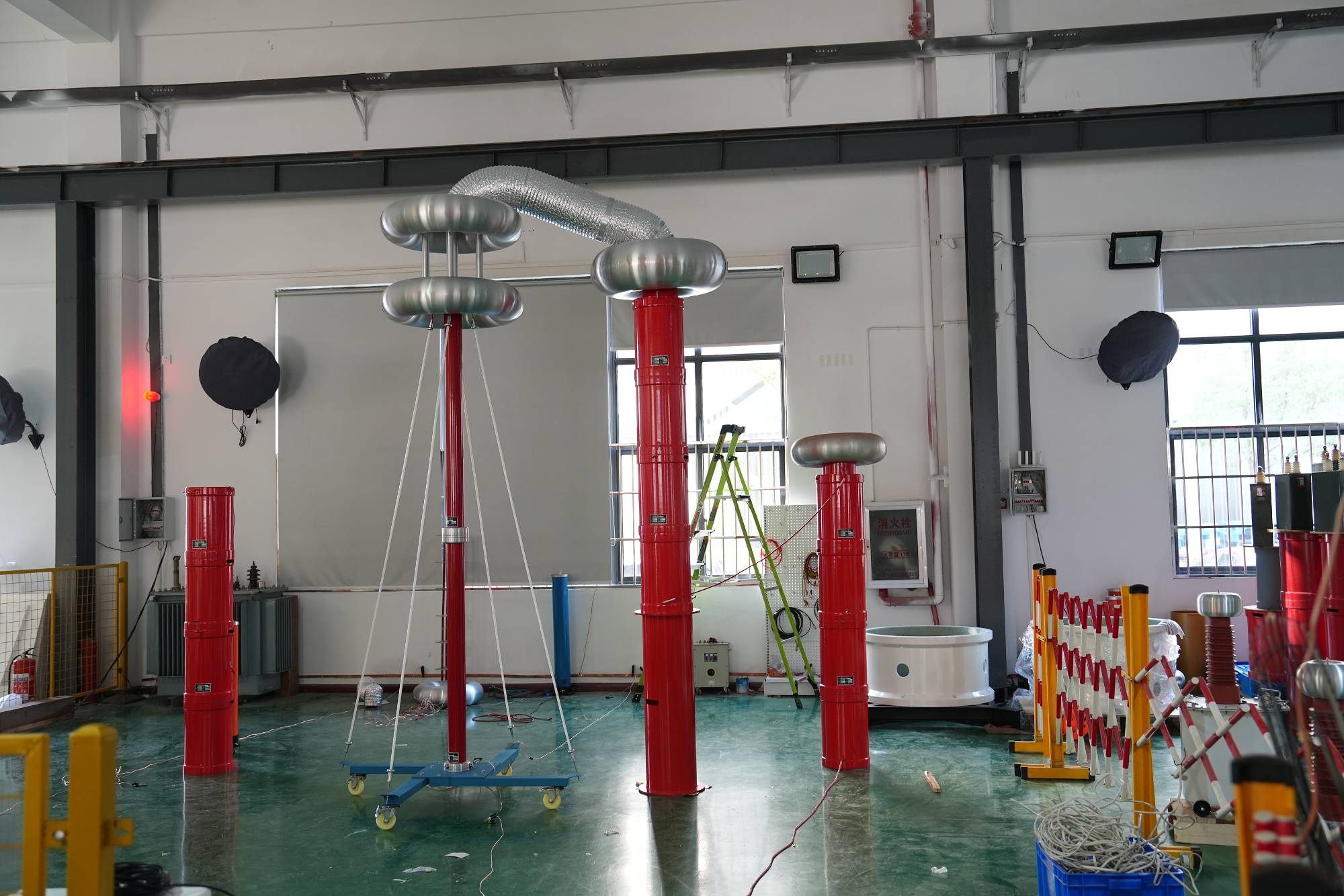
Series resonance test system is suitable for large capacity withstand voltage testing of test objects, consisting of multiple reactors. As a single device, its volume and weight are much smaller than those of power frequency withstand voltage devices of the same level, making it easy to carry. The advantages of power frequency withstand voltage devices are low price and simple on-site connection.
2、 Comparison between series resonance withstand voltage device and VLF high voltage generator
The VLF high voltage generator is mainly designed for cables with two specifications of 10kV/35kV. The series resonant withstand voltage device can use specifications such as 10/35/110/220kV for main transformers and generators, CVT, Switches, etc.
3、 Compared to DC high-voltage generators, series resonance
The "DC withstand voltage" applied by the DC high-voltage generator; The "AC withstand voltage" applied by series resonance.
Application scenarios of series resonance
1. Signal processing
In signal processing, series resonant circuits are used to select signals of specific frequencies. For example, in a radio, a series resonant circuit is used as a tuning circuit to select the desired broadcast frequency while suppressing interference from other frequencies. This application enables the radio to receive signals from specific stations clearly.
2. Power transmission
In power transmission systems, series resonance is used to improve transmission efficiency. For example, in high-voltage direct current transmission projects, series resonant circuits are used as filtering devices to suppress harmonic currents and reduce energy losses. The Ge Nan Project, Tian Guang Project, and Three Gorges Project in China have all adopted series resonance technology, effectively improving transmission efficiency.
3 Communication Technology
In communication equipment, series resonance is used to improve the clarity and stability of communication signals. For example, in wireless communication systems, a series resonant circuit serves as a filter to suppress harmonic interference at specific frequencies and ensure accurate transmission of communication signals. This application enables communication devices to function properly in complex environments.
Why Choose US?
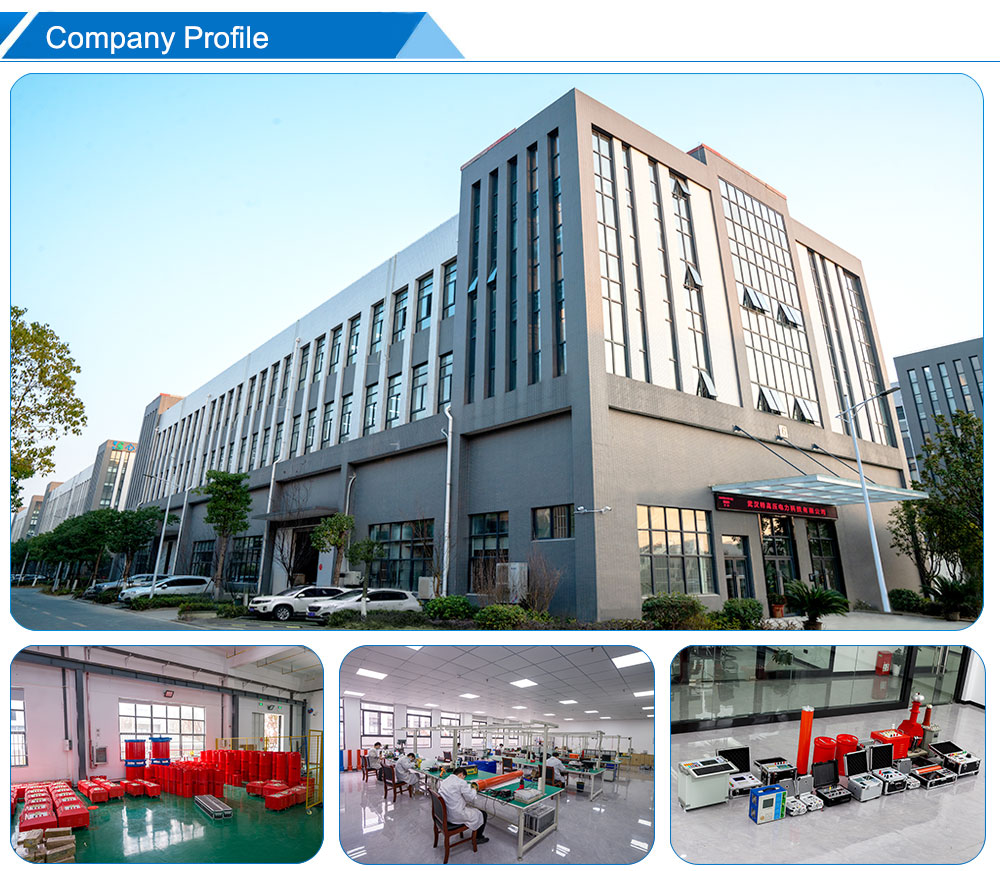
Wuhan UHV Power Technology Co., Ltd. was established in 2021 and is situated in the Wuhan East Lake High-tech Development Zone, enjoying a highly convenient location. As a professional OEM manufacturer, we focus on the research, development, sales, and service of high-voltage testing instruments. Our main offerings include Resonant Test Systems, High Voltage Testers, Transformer and Circuit Breaker Testers, Relay Protection and Cable Testers, Oil, DC Battery, and Generator Testers, Insulation Resistance Testers, as well as Power Metering Products.
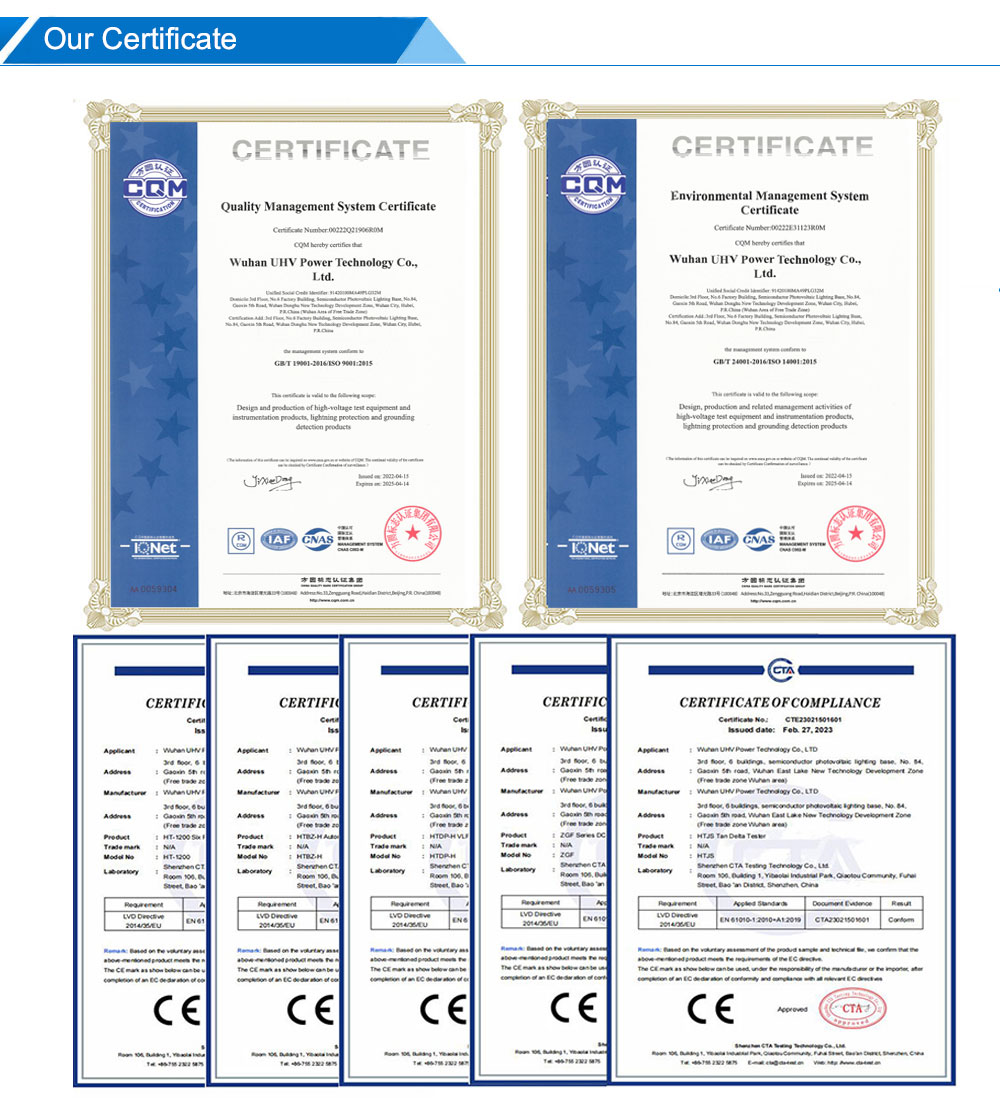
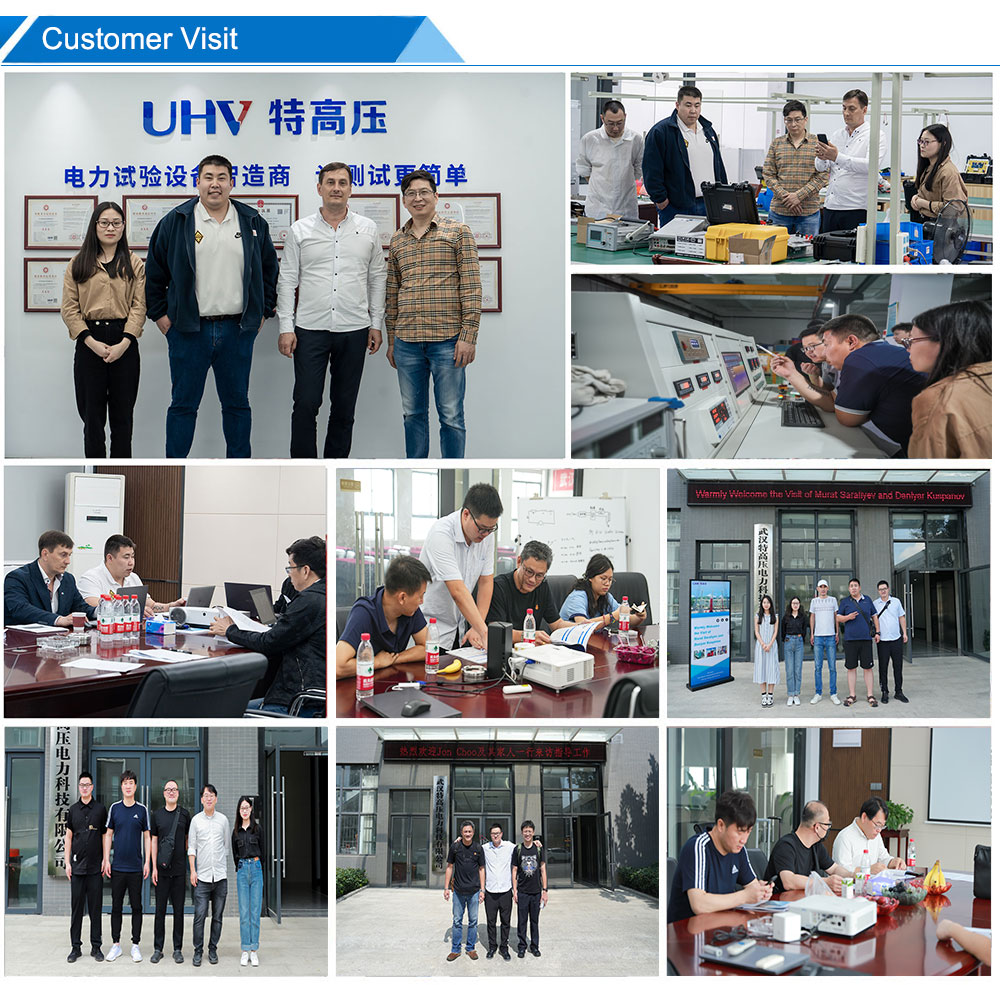
Our equipment is widely used in sectors such as power engineering, transportation, petrochemicals, mining, and water conservancy. We hold CE, ISO9001, and other certifications. In addition to strong domestic sales across China, our products have been exported to many countries and regions, including Malaysia, Indonesia, Vietnam, the Philippines, Saudi Arabia, the UAE, the United States, Australia, Argentina, Chile, and Brazil. Thanks to our competitive pricing and robust technical support, we have gained strong trust and positive recognition from customers worldwide.
FAQS
Q1: What is an AC Resonant Test Set? A1: An AC Resonant Test Set is a high-voltage testing system used to perform AC withstand voltage tests on power cables and other high-voltage electrical equipment. It uses series resonance technology to generate the required test voltage with relatively low input power.
Q2: What is resonance phenomenon?
A2: Resonance refers to the phenomenon of energy exchange and voltage/current amplification that occurs when inductive and capacitive components in a circuit reach a specific frequency.
Q3: What are the advantages of series resonance test over traditional power frequency withstand voltage test?
A3: The series resonance test device manufacture can greatly reduce the volume and weight of the testing equipment, and the required capacity for the test is much smaller than that of the power frequency test, especially suitable for conducting voltage withstand tests on large capacity high-voltage cables.
Q4: Which cables are suitable for series resonant withstand voltage testing?
A4: The vast majority of high-voltage and ultra high voltage cables, especially those with ungrounded neutral points, are very suitable for series resonance testing.
Q5: How to choose a suitable series resonant withstand voltage equipment?
A5: It is necessary to select equipment with sufficient voltage resistance, wide frequency adjustable range, and precise control based on parameters such as the length and voltage level of the cable to be tested. Wuhan UHV Power Technology Co., Ltd. provides professional selection consulting services.
Q6: What are the considerations for frequency selection in series resonance testing?
A6: The selection of test frequency requires comprehensive consideration of the electrical parameters of the cable to achieve resonance state, while avoiding additional damage to insulation caused by excessively high frequencies.
Q7: What is the difference between a series resonant test system and a VLF tester? A7: VLF testers typically operate at very low frequencies and are commonly used for specific cable testing applications. A variable-frequency series resonant system operates over a higher adjustable frequency range and can be configured for a wider variety of high-voltage equipment and AC withstand voltage applications.