

Product Introdution
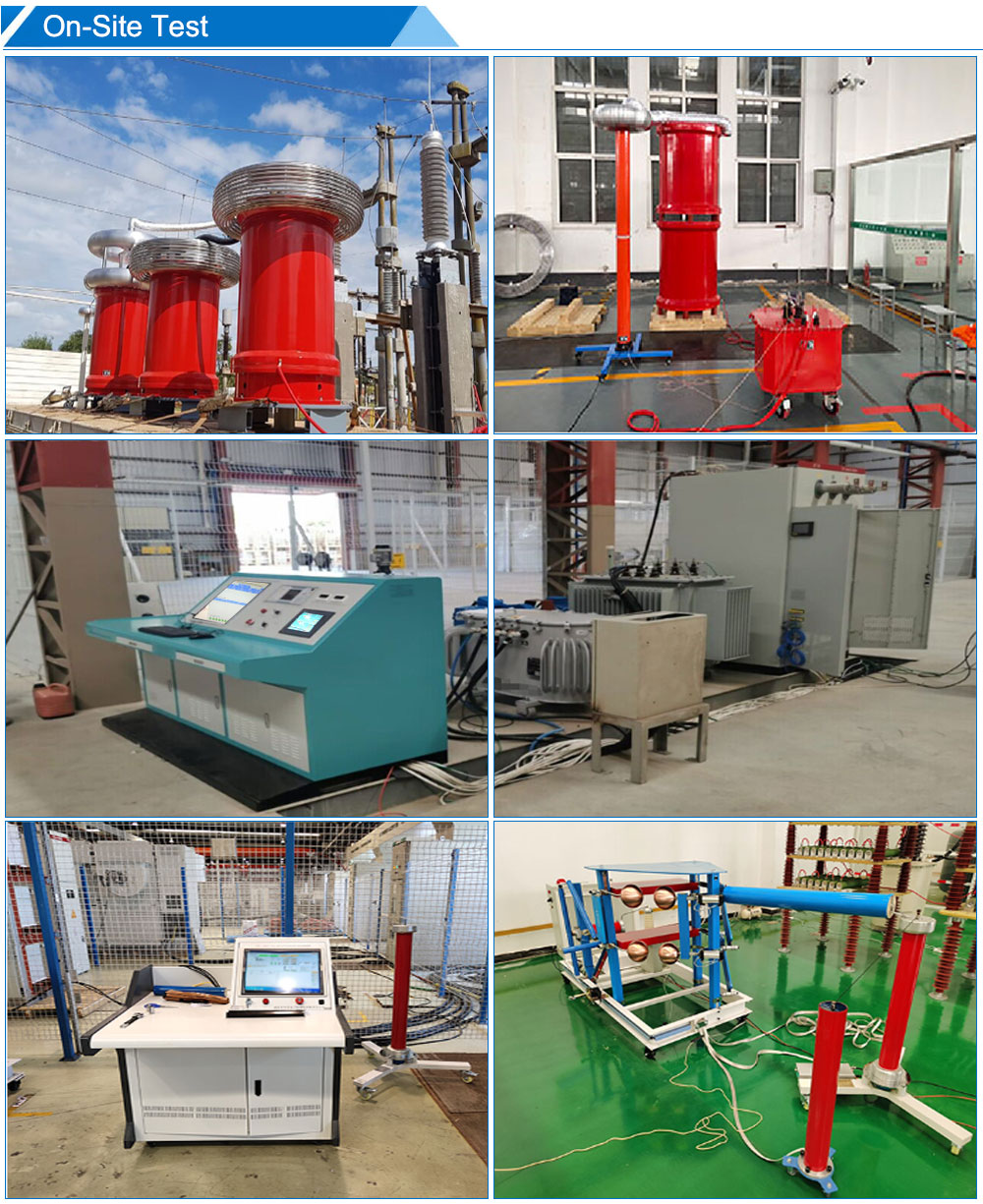
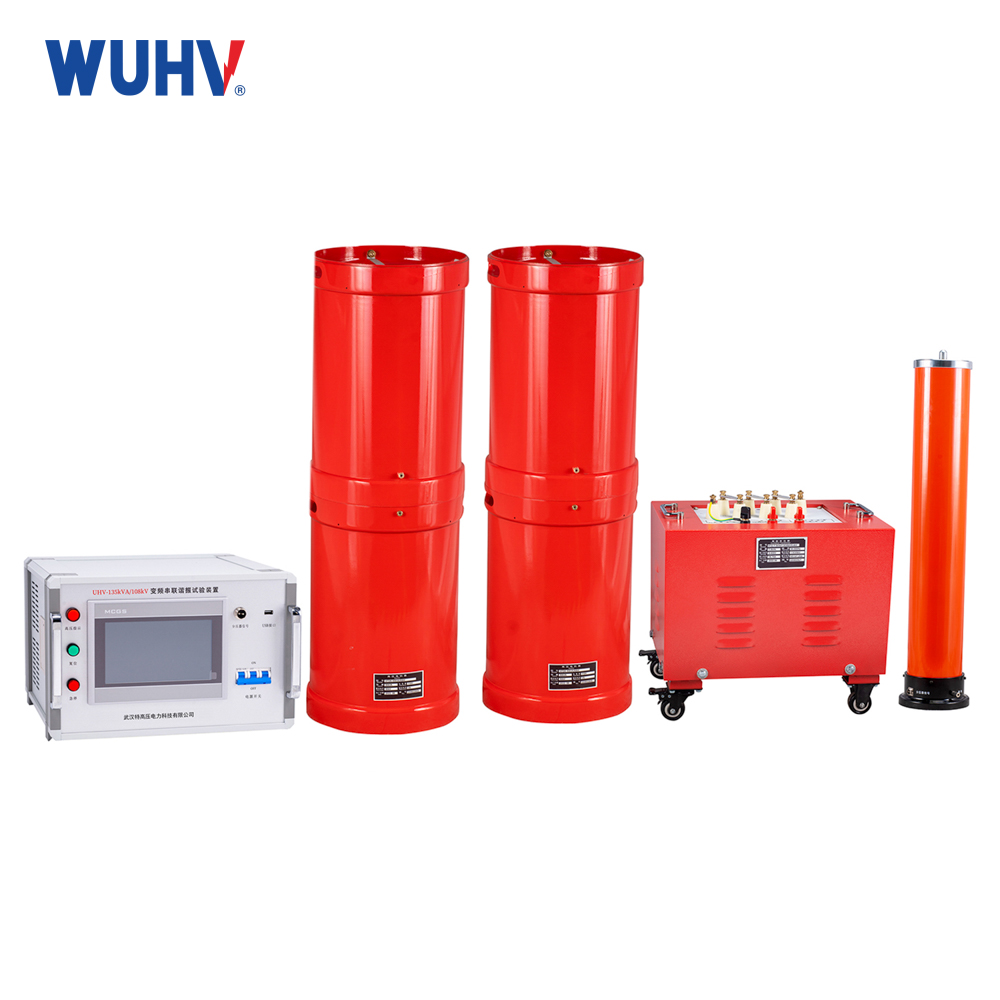
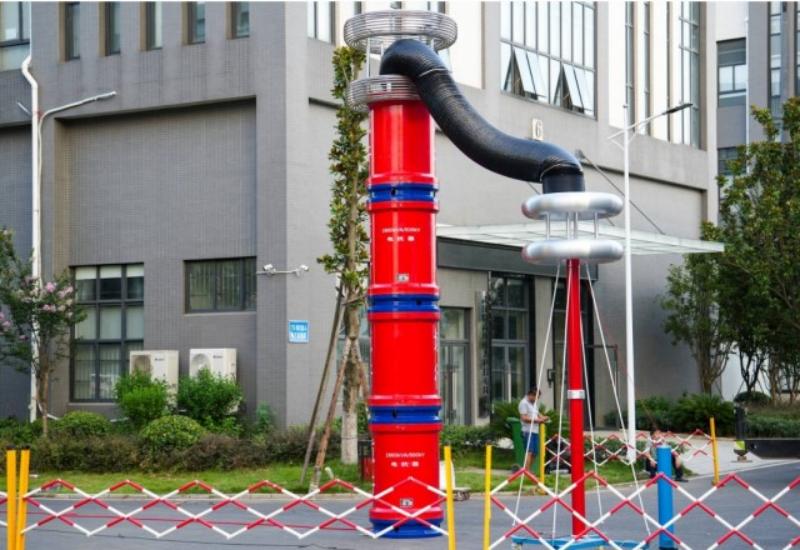
The UHV series resonant test system is a professional testing device designed for on-site and laboratory AC withstand voltage testing of high-voltage power equipment. The system adopts variable-frequency series resonant technology, adjusting the output frequency to bring the test circuit into resonance and obtain a higher test voltage with relatively low input power, thereby effectively reducing the on-site power supply capacity requirements for AC withstand voltage testing of large-capacity high-voltage equipment.
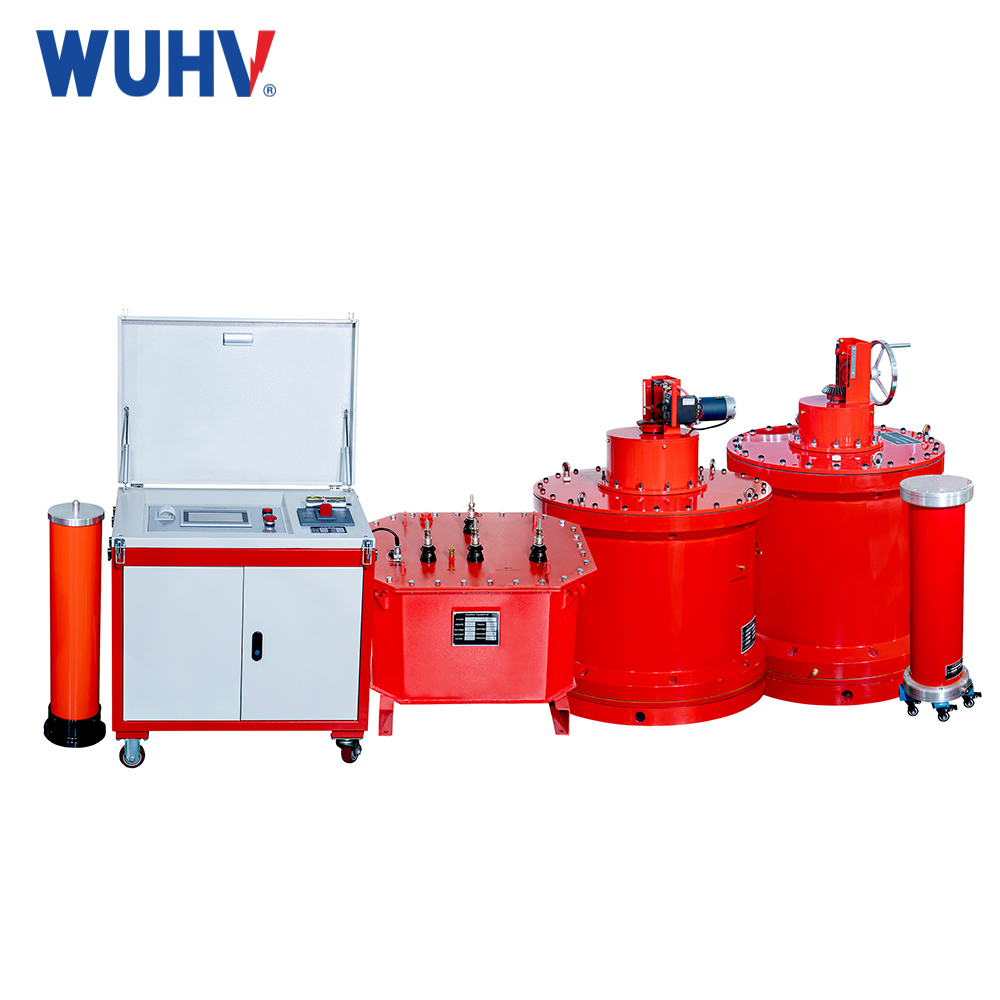
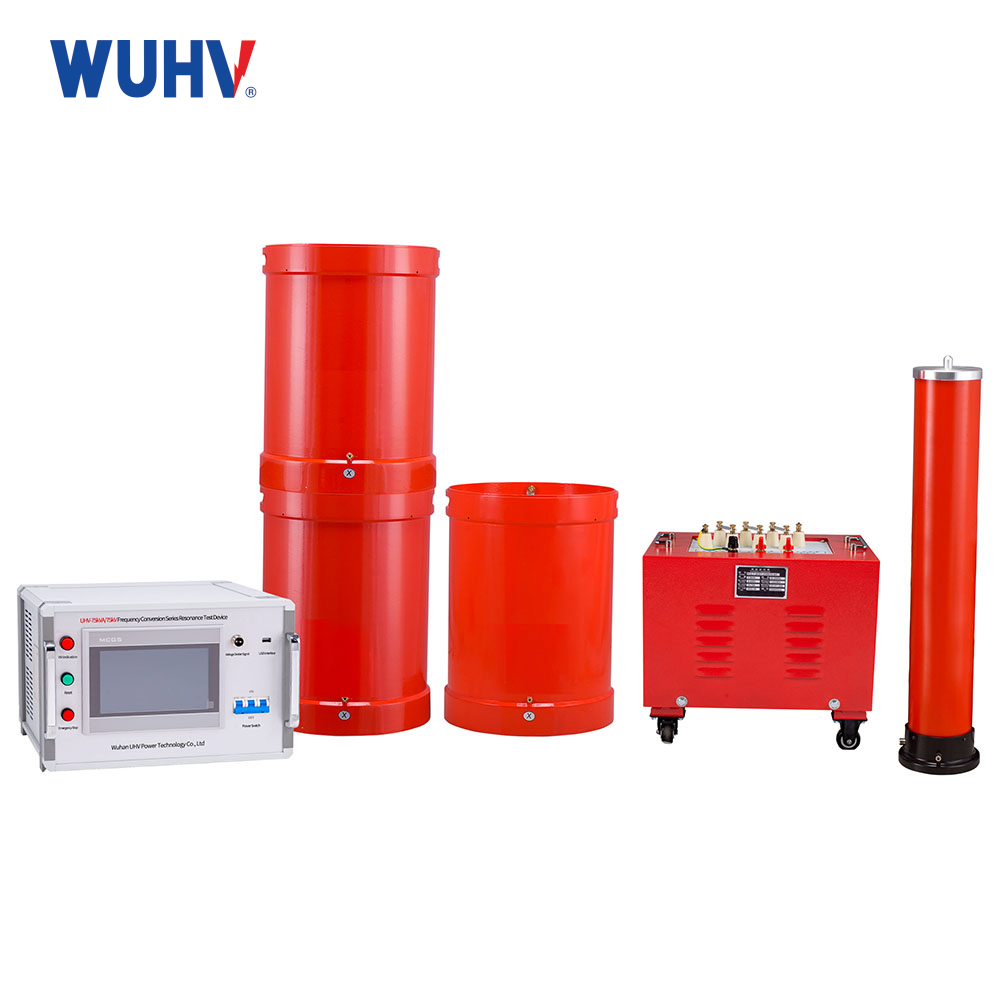
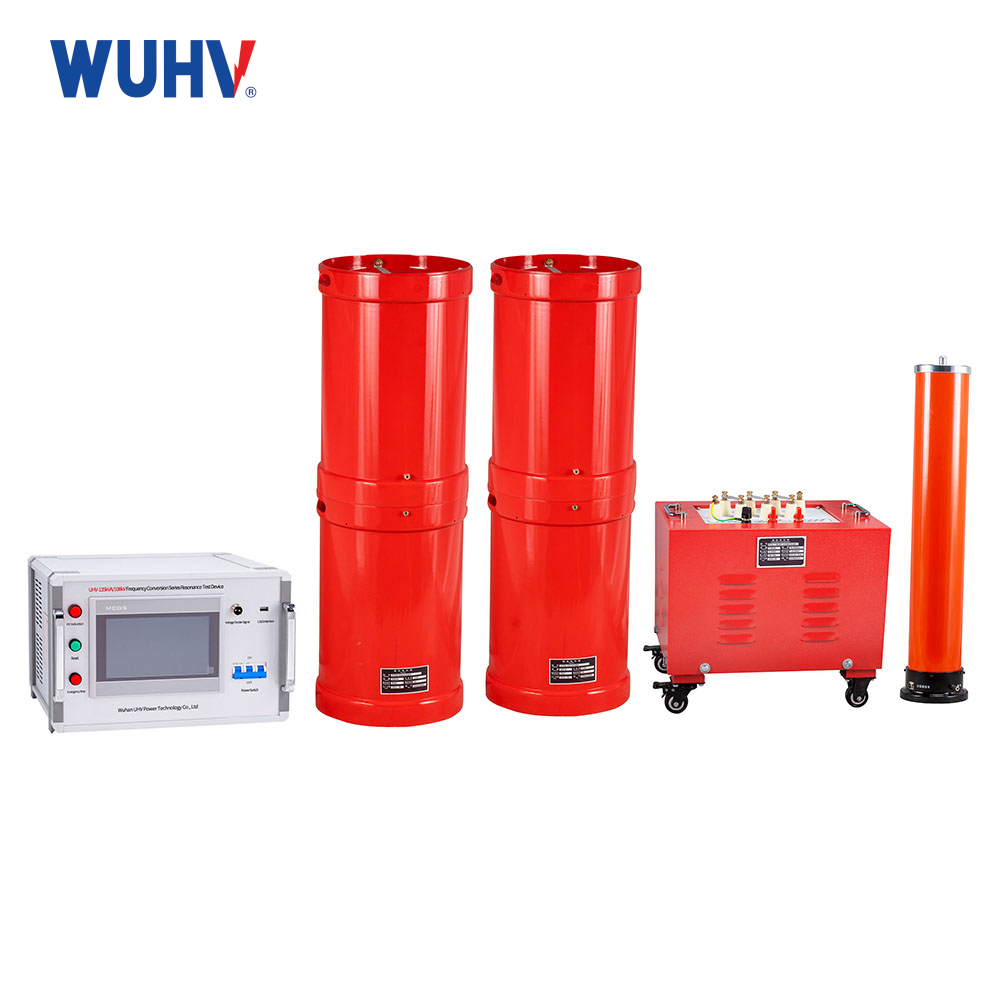
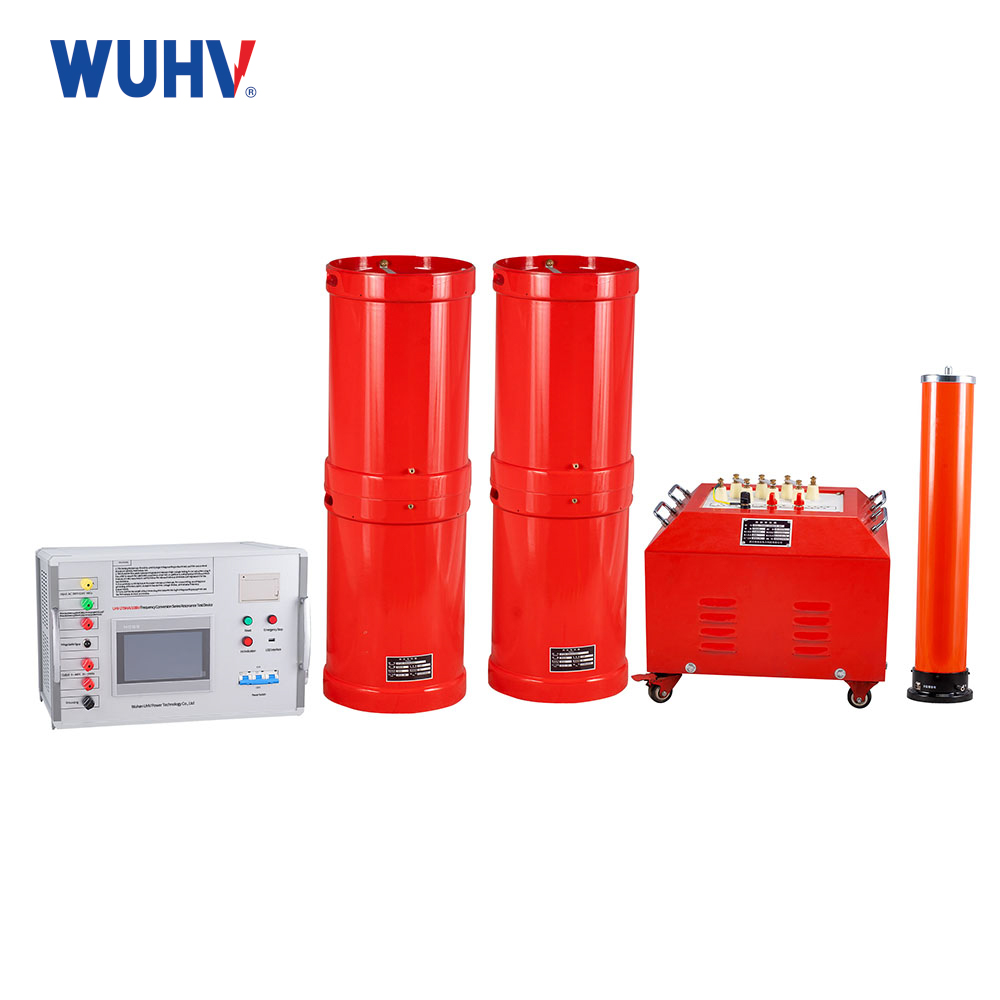
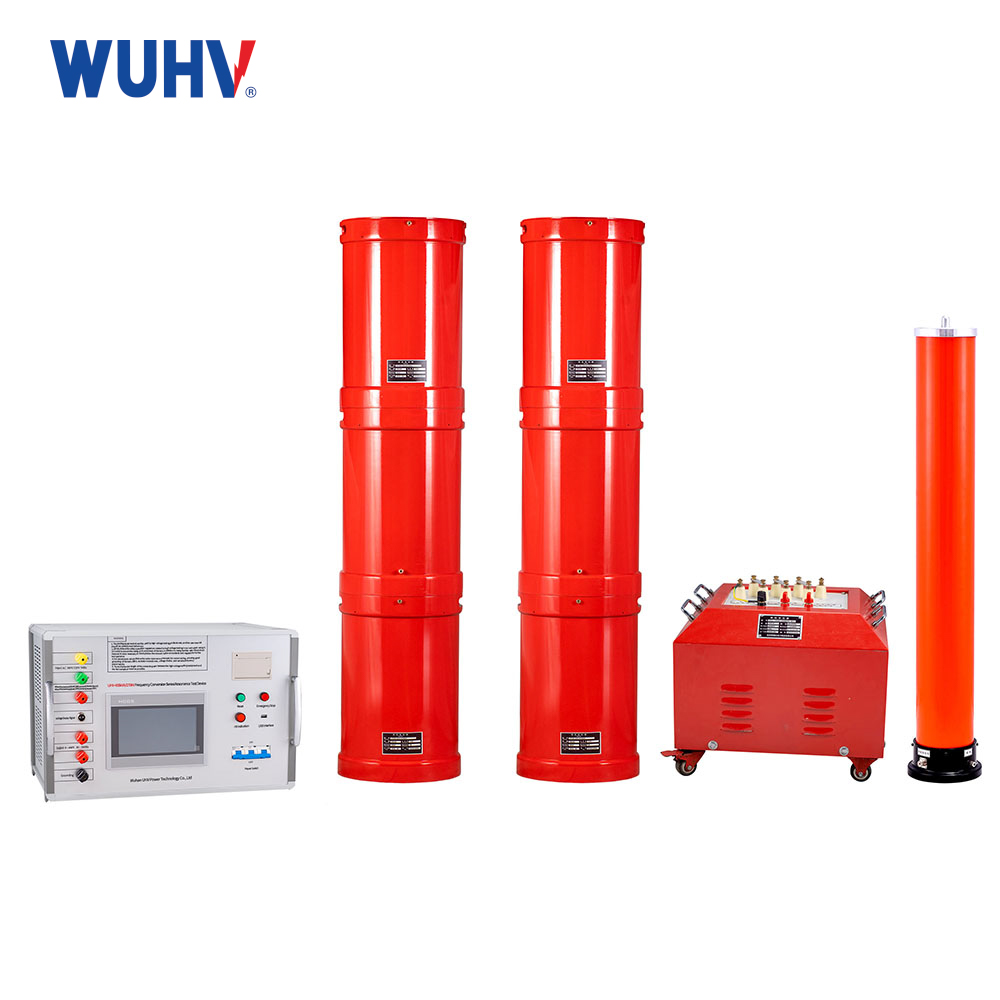
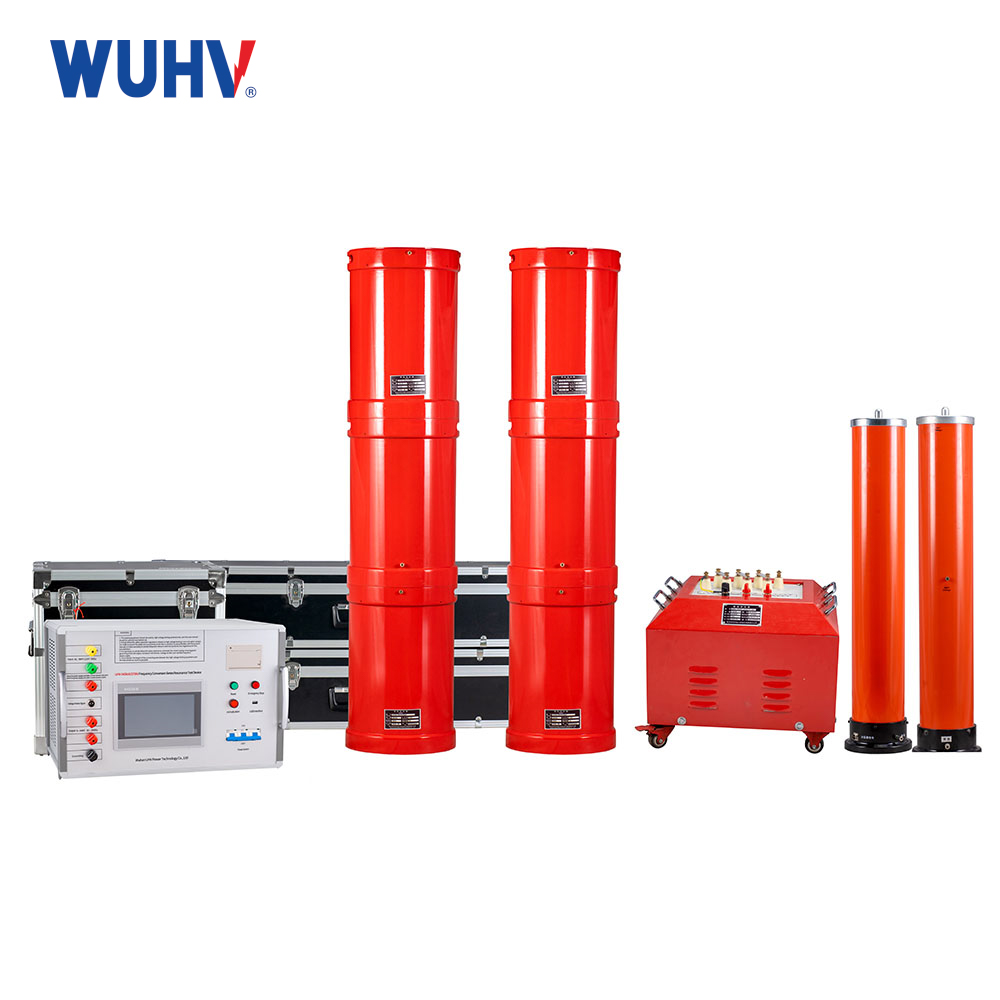
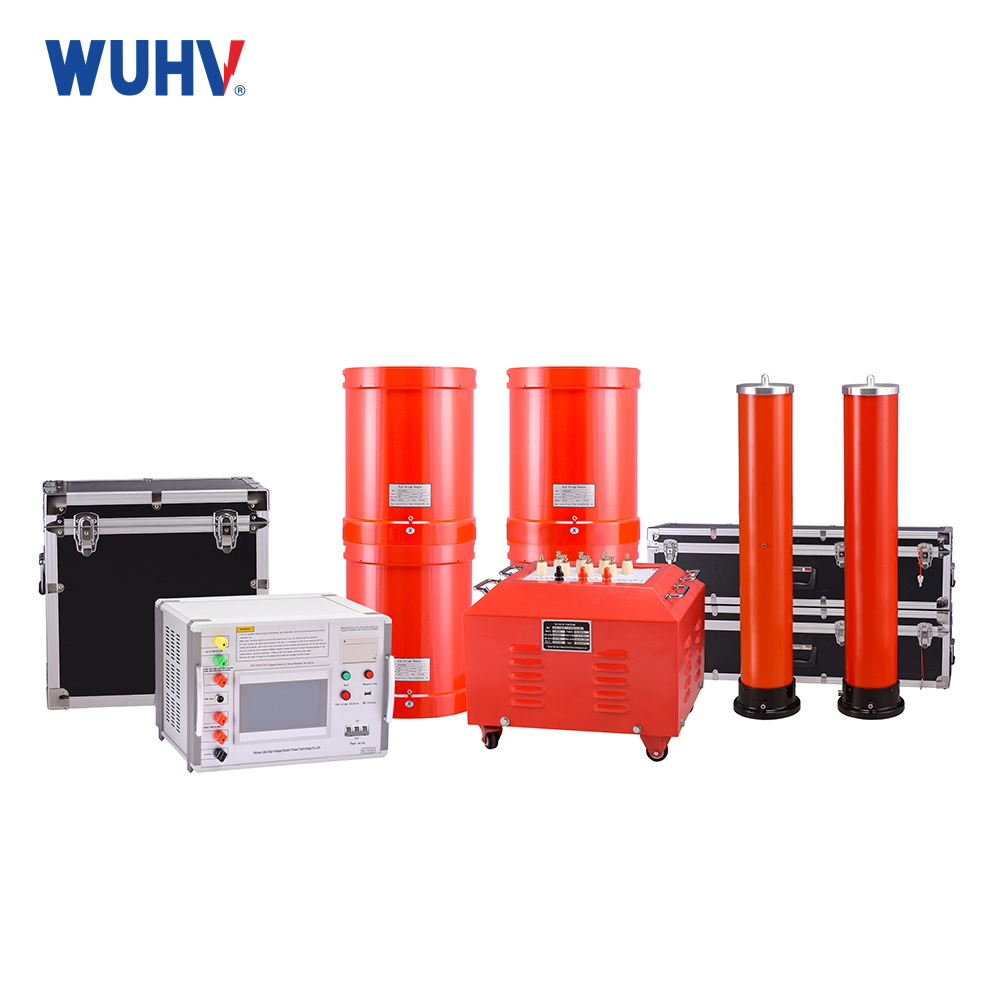
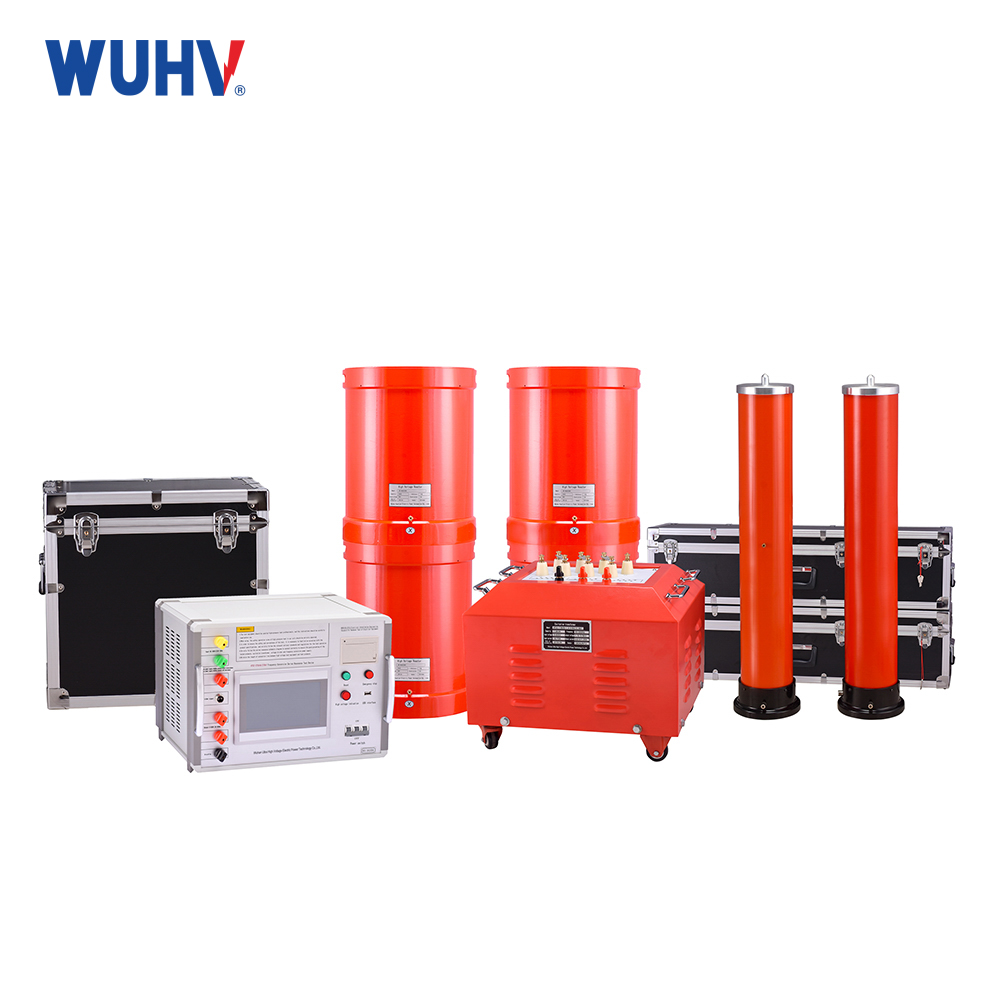
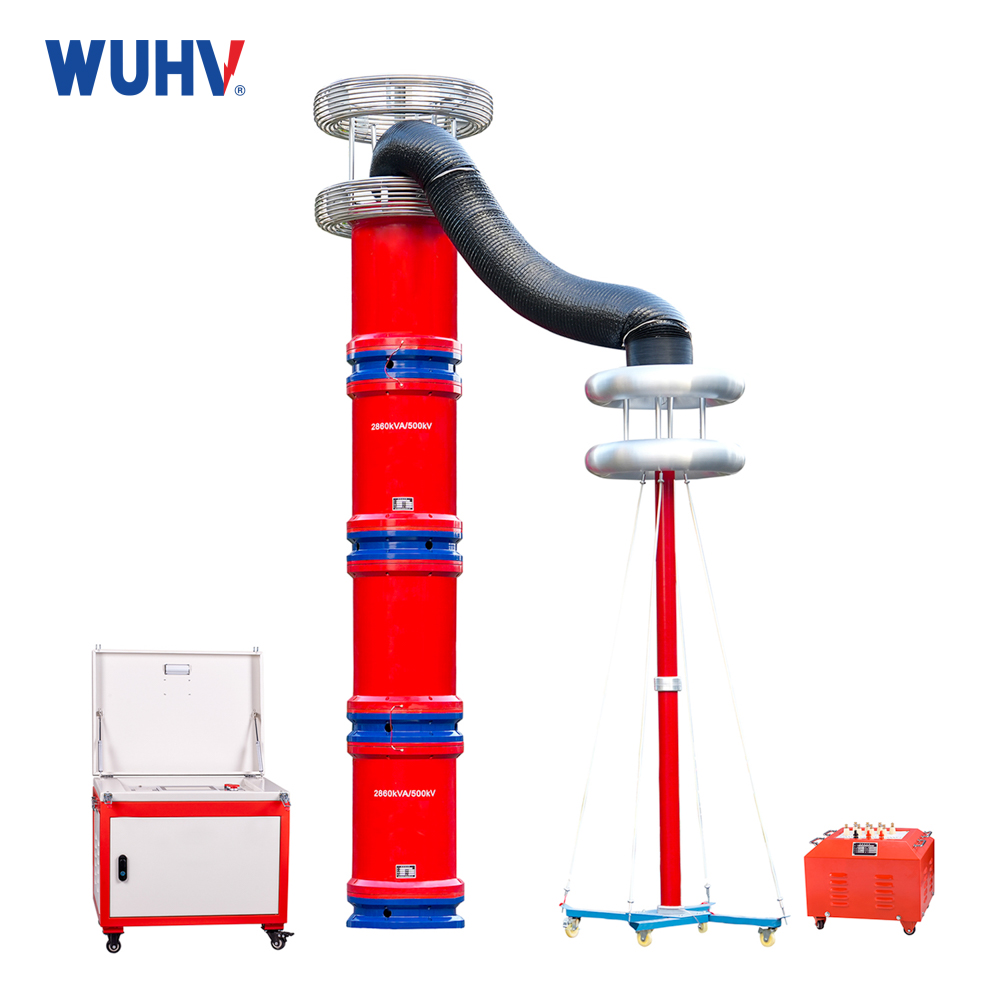
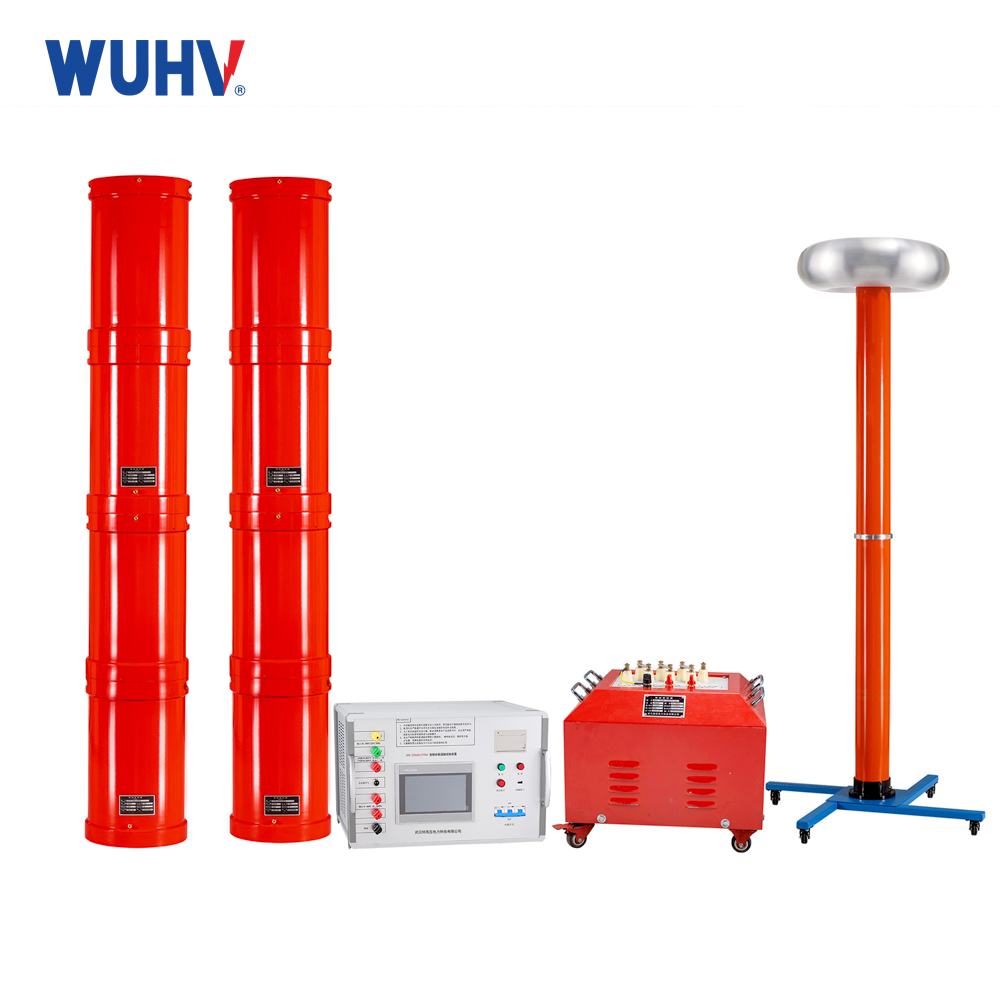
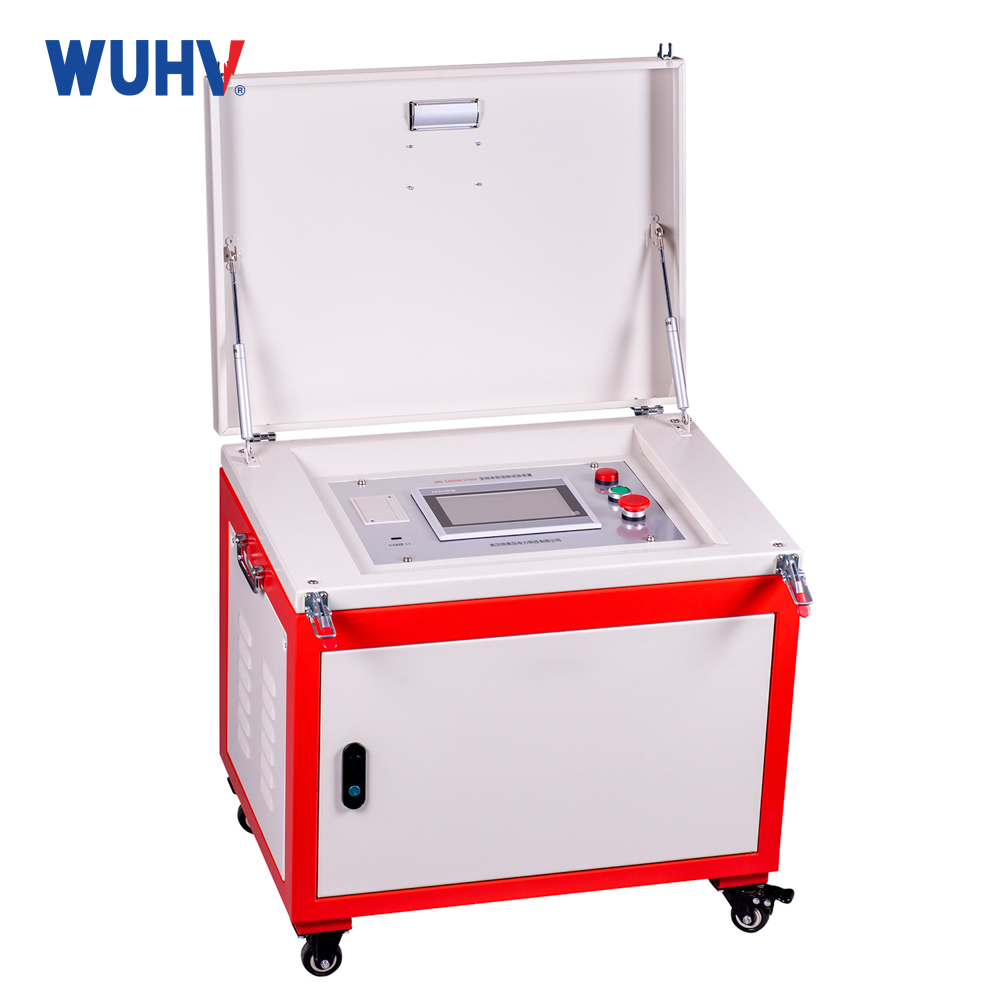
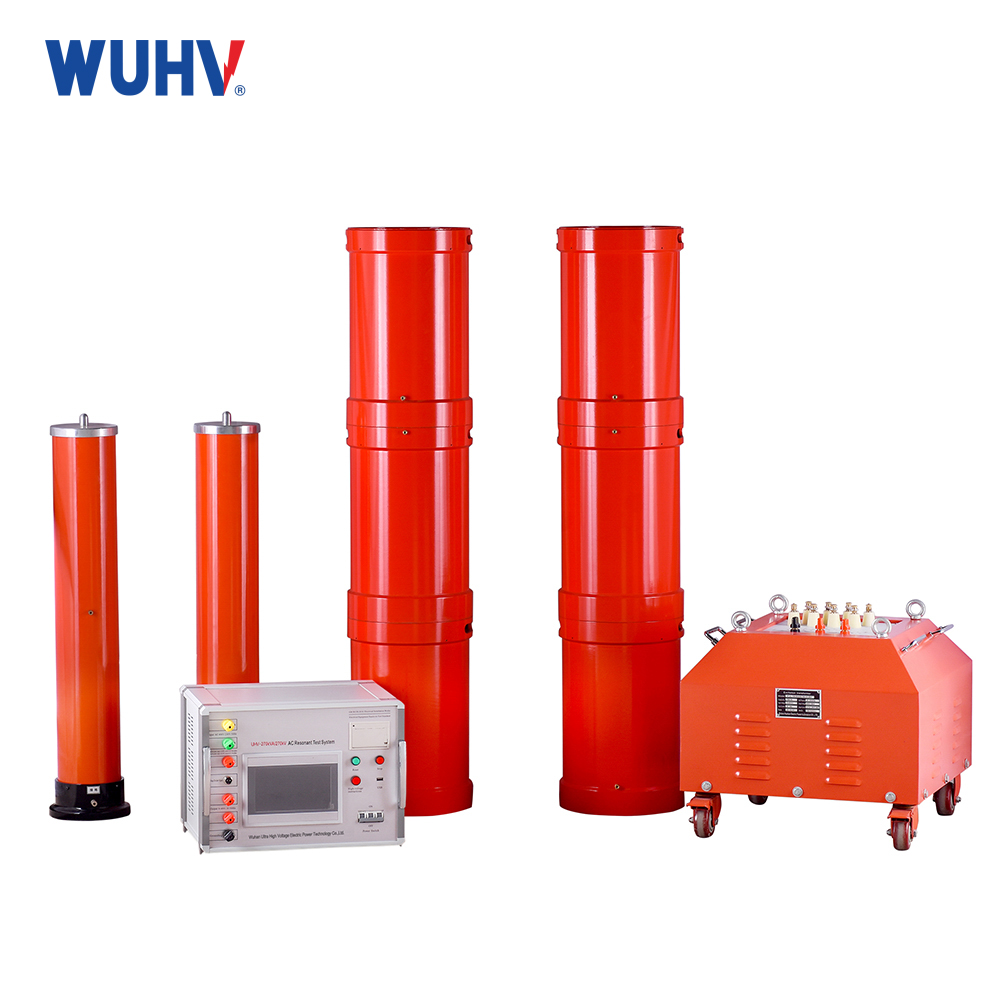
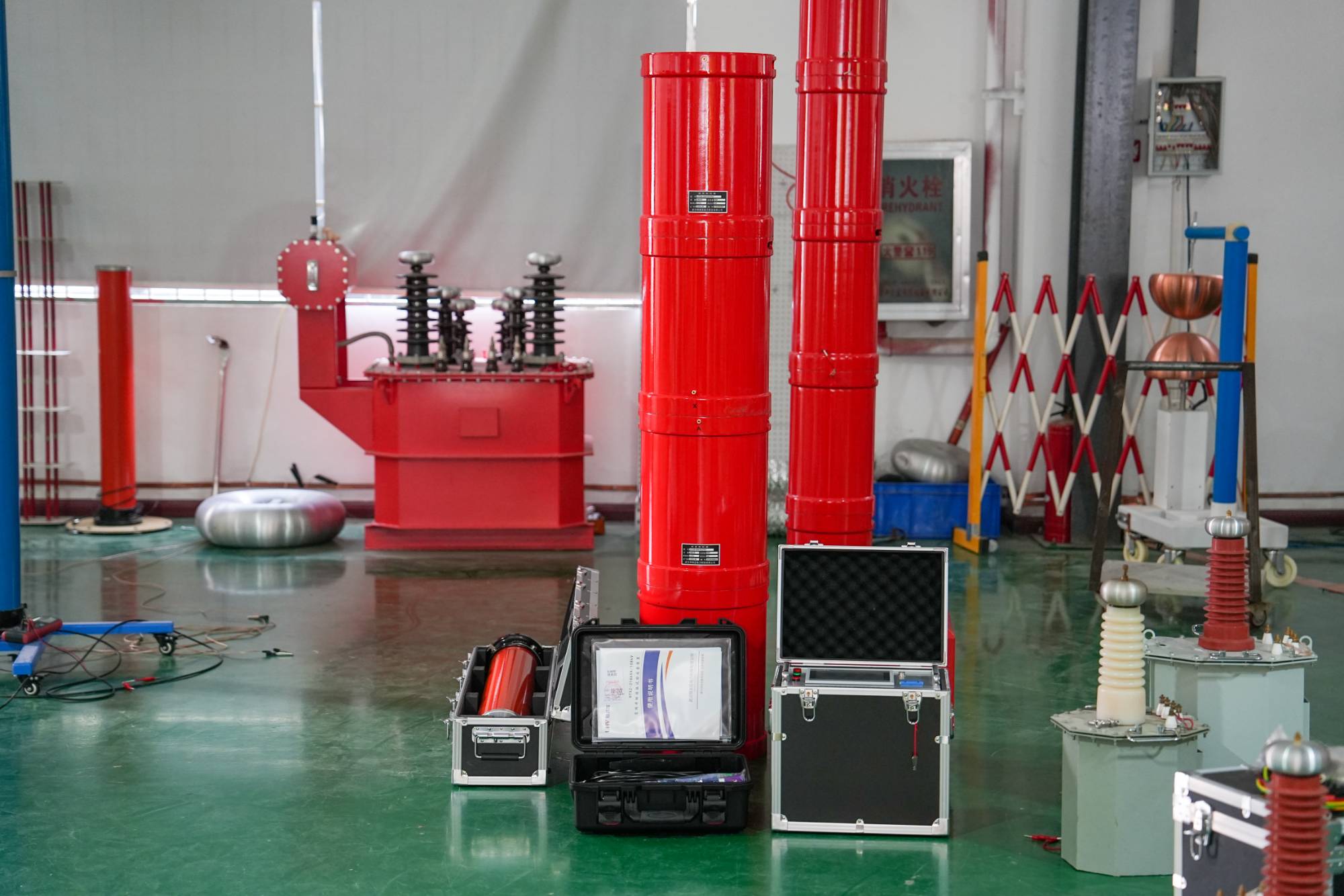
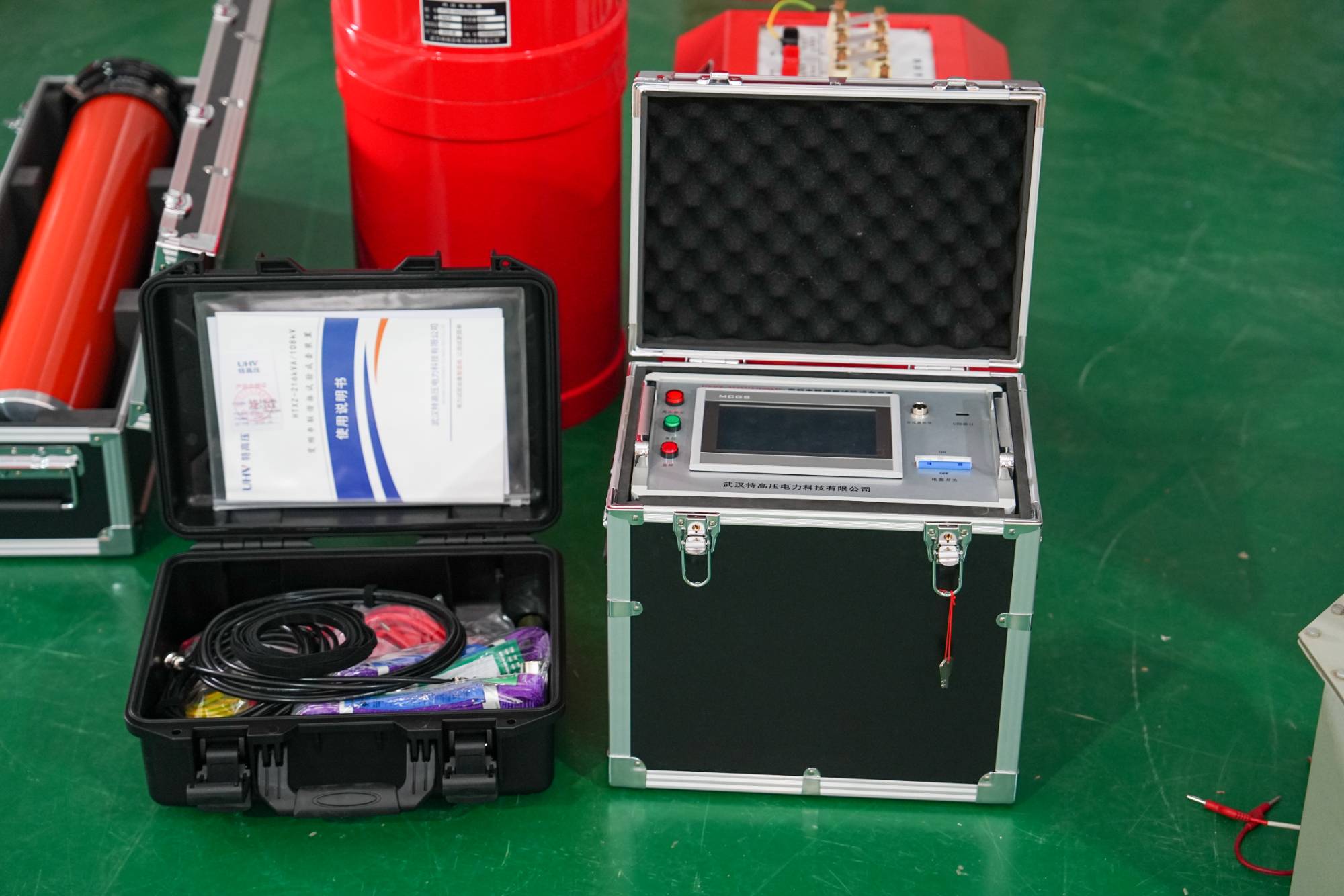
The system mainly consists of a variable-frequency control power supply, an excitation transformer, a high-voltage reactor, and a capacitive voltage divider, and can be configured with compensation capacitors according to actual test requirements. It is suitable for AC withstand voltage testing of high-voltage equipment such as XLPE cables, transformers, GIS, generators, and busbars.
With its modular structure, variable-frequency tuning, intelligent protection, and automated testing functions, the system is particularly suitable for power companies, power testing institutions, substations, power plants, and electrical equipment manufacturers conducting on-site high-voltage testing.
|  |
Ürün parametreleri
The work environment
Environment temperature:-100oC-50oC
Relative humidity:≤90%RH
The altitude:≤1000m
Main technical parameters and functions of the device
Rated Capacity: 324kVA
The input power:Three-phase 380V voltage, frequency: 50Hz
Rated Voltage: 54kV
Rated current: 6A
Working frequency:30-300Hz
Device output waveform: Sine wave
Waveform distortion rate: Output voltage waveform distortion rate ≤1%
Working time: Continuous 60min is allowed under rated load; Overvoltage 1.1 times 1 min
Temperature rise: Temperature rise ≤65K after continuous operation under rated load for 60min
The quality factor: Device Q≥30(f=45Hz)
Protection function: Over current, over voltage and flashover protection (see frequency conversion power supply for details)
Accuracy of measurement:Effective value of the system is 1.5
Exciter transformer
Rated Capacity: 9kVA
The input voltage: 0-400V,Single phase
The output voltage: 3kV
structure: dry type
Weight: About 50kg
Variable frequency power supply
Rated output capacity: 18kW
Working power supply: 380±10%V (three-phase), power frequency
The output voltage: 0-400v, single phase
Rated input current :45A
Rated output current: 45A
Voltage resolution:0.01kV
Accuracy of voltage measurement :1.5%
Frequency range: 30-300Hz
Frequency regulation resolution: ≤0.1Hz
Frequency stability: 0.1%
Running time: Continuous 60min at rated capacity
Noise level: ≤50dB
High voltage reactor
Rated Capacity: 54kVA
Rated Voltage:27kV
Rated Voltage: 2A
inductance: 68 H/single section
The quality factor: Q≥30(f=45Hz)
structure: dry type
Weight: About 75kg
Capacitor divider
Rated voltage: 60kV
High piezoelectric capacity:2500pF
Dielectric loss: tgσ≤0.5%
Voltage division ratio: 1000:1
measurement accuracy: Valid value of 1.5
Weight:About 10kg
The main functions of the frequency series resonant test device are as follows:
1、The device has over-voltage, over-current, zero start, system detuning and flash-over protection function. The over-voltage and over-current protection value can be set according to user's needs, and the flash-over protection action to protect the product.
2、Small volume, light weight, very suitable for the operation of the people on the spot.
3、The device has three working modes, which is convenient for users to choose flexibly according to the field conditions and improve the test speed. The working modes are: full automatic, manual and automatic tuning manual boost mode.
4、The data can be stored and printed in different places. The data number is numbered is convenient to help the user to identify and find the data.
5、When the device automatically sweeps the frequency, the starting point of frequency can be set arbitrarily in the specified range. Meanwhile, the LCD screen displays the scanning curve, which is convenient for users to directly understand whether the resonance point is found.
6、Using the DSP technology, it can easily increase and decrease the function and upgrade according to the needs of the user, and also make the human-computer exchange interface more humanized.
Product Features & Advantages
1、Comprehensive Protection System
The ac resonant test system manufactures features configurable overvoltage, overcurrent, and zero-start protection, with adjustable threshold settings. Its intelligent flashover protection instantly responds to sample breakdowns, ensuring equipment safety.
2、Portable Field Operation
Designed with lightweight construction for enhanced mobility and convenient on-site deployment.
3、Flexible Testing Modes
Offers three operational modes (full-auto, manual, and auto-tuning/manual boost) to adapt to various field conditions and optimize testing efficiency.
4、Smart Data Management
Enables off-site data storage/printing with unique numbering for easy tracking and retrieval.
5、Intelligent Frequency Sweep
Allows customizable sweep range initialization and provides real-time LCD curve display for visual resonance point identification.
6、Upgradable DSP Platform
Incorporates modular DSP technology for customizable function expansion and user-friendly interface upgrades.
 |  |
AC resonant systems vs. alternatives
| Feature / Aspect | AC resonant test system (Rui Du type) | Conventional HV test transformer | VLF test set (for cables) |
| Power requirement for long, capacitive loads | Low input power, only covers system and load losses at resonance. | High input power, must supply full reactive current at 50/60 Hz. | Lower because of very low frequency but not suitable for all equipment types. |
| Equipment size and portability | More compact for same test voltage and load, easier to move and install. | Bulky and heavy at higher voltage/capacitance ratings, complex logistics. | Typically compact and portable for cable tests. |
| Typical applications | XLPE cables, GIS, power transformers, generators and other capacitive HV equipment. | General HV withstand tests, especially for smaller loads and lab environments. | Primarily MV/HV cable insulation assessment, not transformers or GIS. |
| Test frequency flexibility | Variable frequency around nominal power frequency to tune resonance and avoid network issues. | Fixed at 50/60 Hz, no frequency tuning capability. | Very low frequencies (e.g. 0.1 Hz) targeted to cable diagnostics. |
| Energy efficiency and stress on supply | High efficiency due to resonance; reduced stress on local power supply. | Lower efficiency for capacitive loads; higher demand on test supply. | Efficient for cables but not applicable to broad range of HV equipment. |
| Suitability for field testing | Well suited for on‑site tests of large equipment thanks to smaller supply rating and modular design. | Less suitable for very large field tests due to transportation and power constraints. | Very suitable for field cable tests but limited equipment coverage. |
Usage scenarios: before and after AC resonant systems
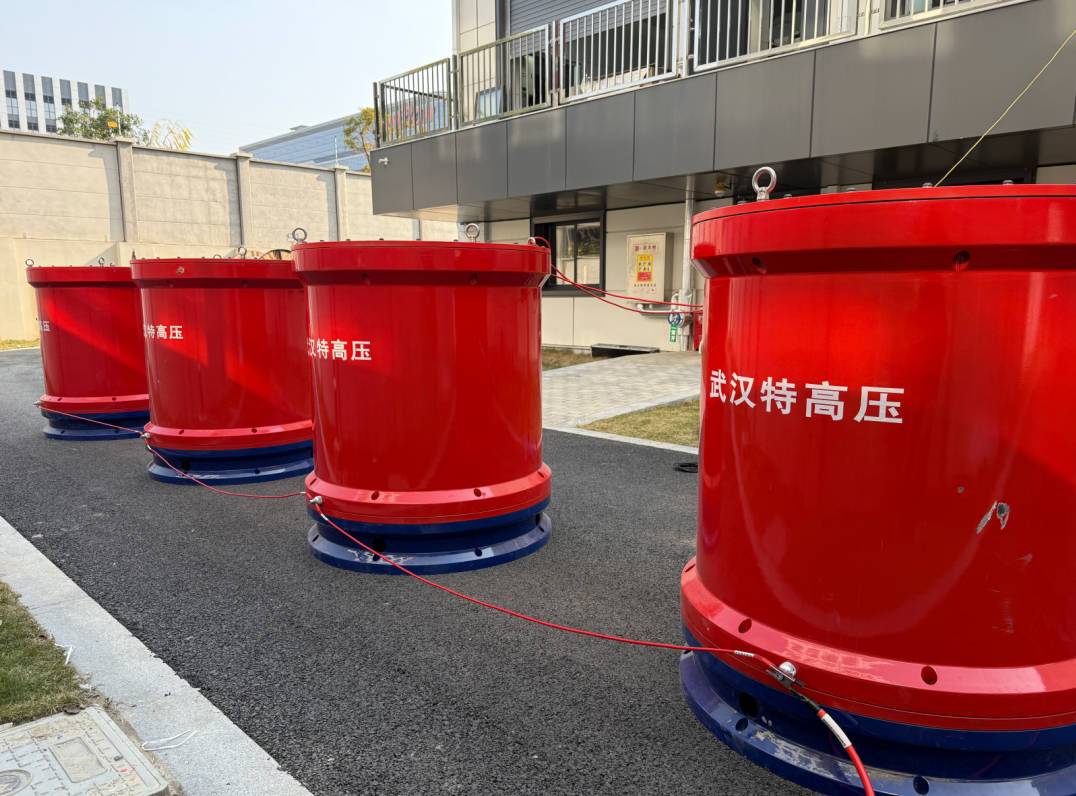
Scenario 1: 110 kV cable commissioning
With ac resonant test system factory: A suitably rated ac resonance voltage withstand device enables full‑voltage on‑site tests of the assembled GIS, using variable frequency to optimize resonance and minimize input power, thereby shortening commissioning time while aligning with modern grid code and utility requirements.
FAQ about AC resonant test systems
AC resonant test equipment are particularly valuable for high‑voltage XLPE cable systems at 66 kV, 110 kV, 220 kV and above, where cable lengths and capacitance are high. They provide efficient AC withstand testing during factory acceptance, site commissioning and periodic maintenance without over‑burdening the available power supply or requiring over‑sized test transformers.
What is the advantage of using a series resonant system instead of a conventional AC test transformer? A series resonant system can generate high AC test voltage while requiring relatively low input power because the reactive energy circulates between the reactor and the capacitive test object. This makes the system particularly suitable for testing large-capacitance loads such as long power cables.
4.Why choose us?
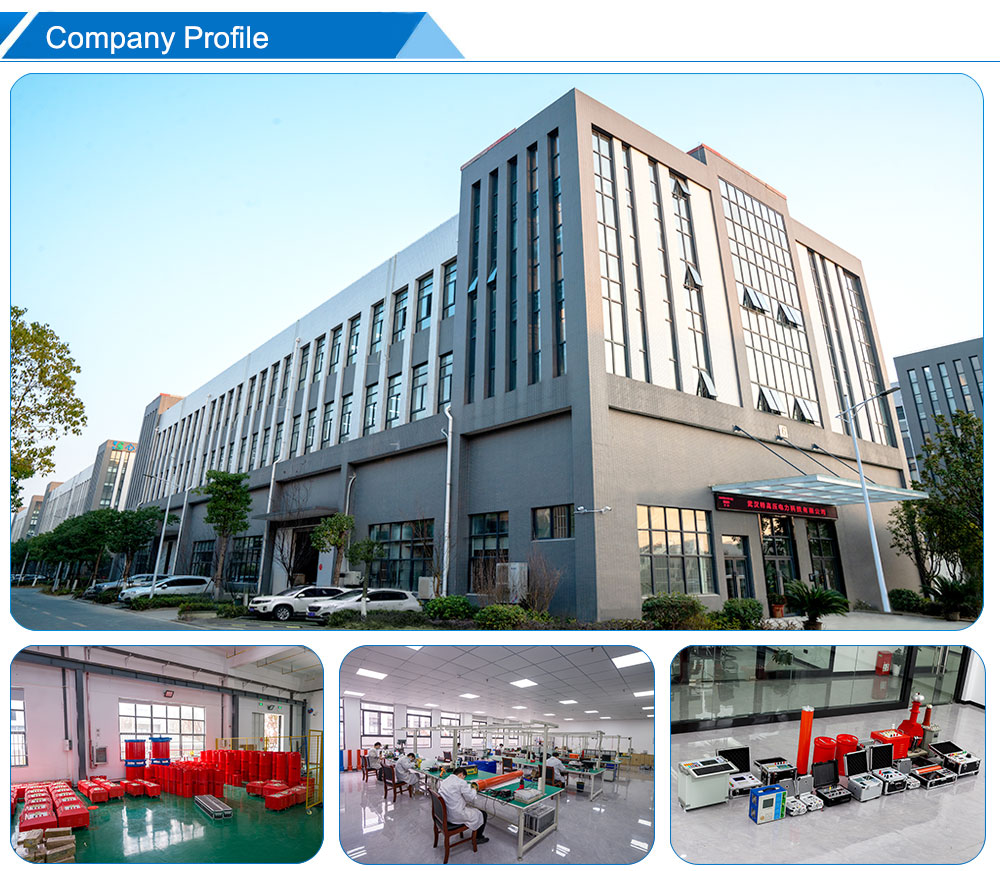
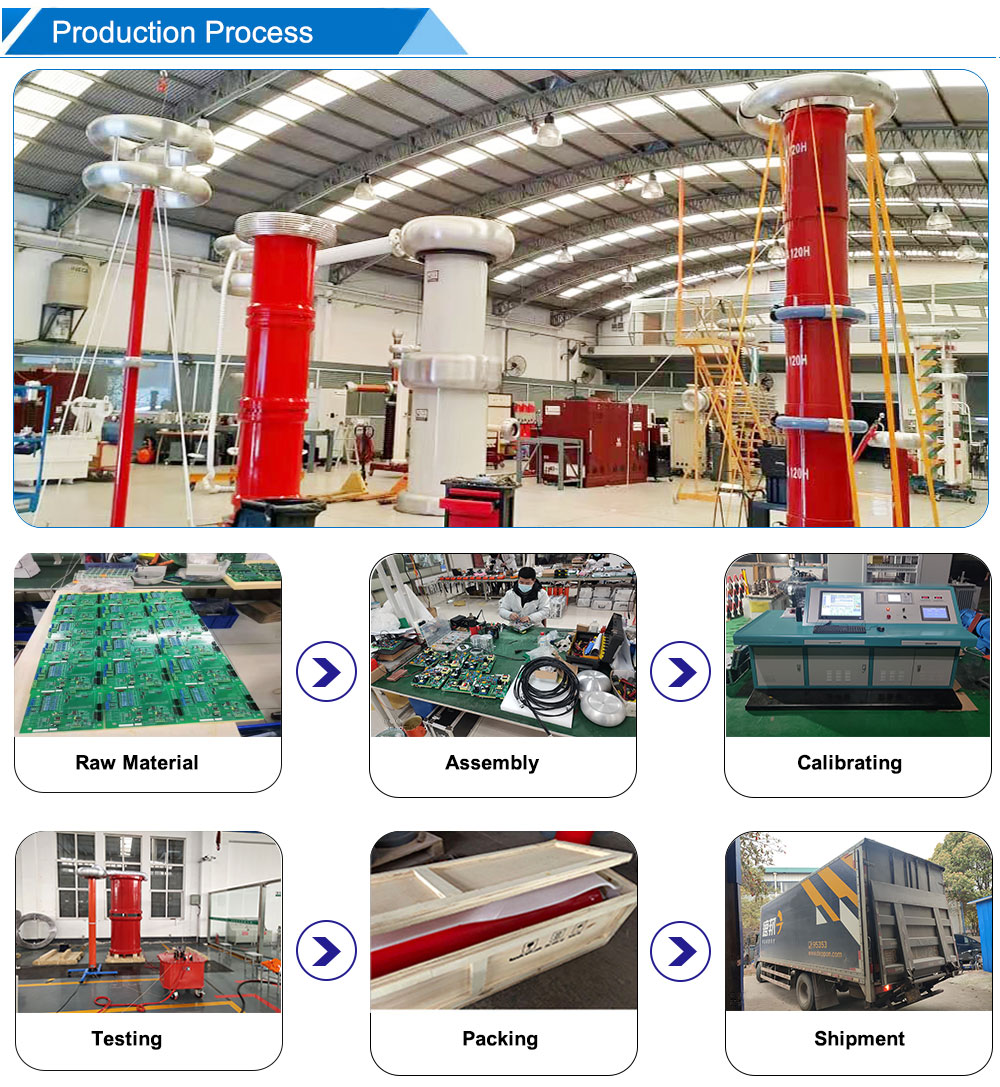
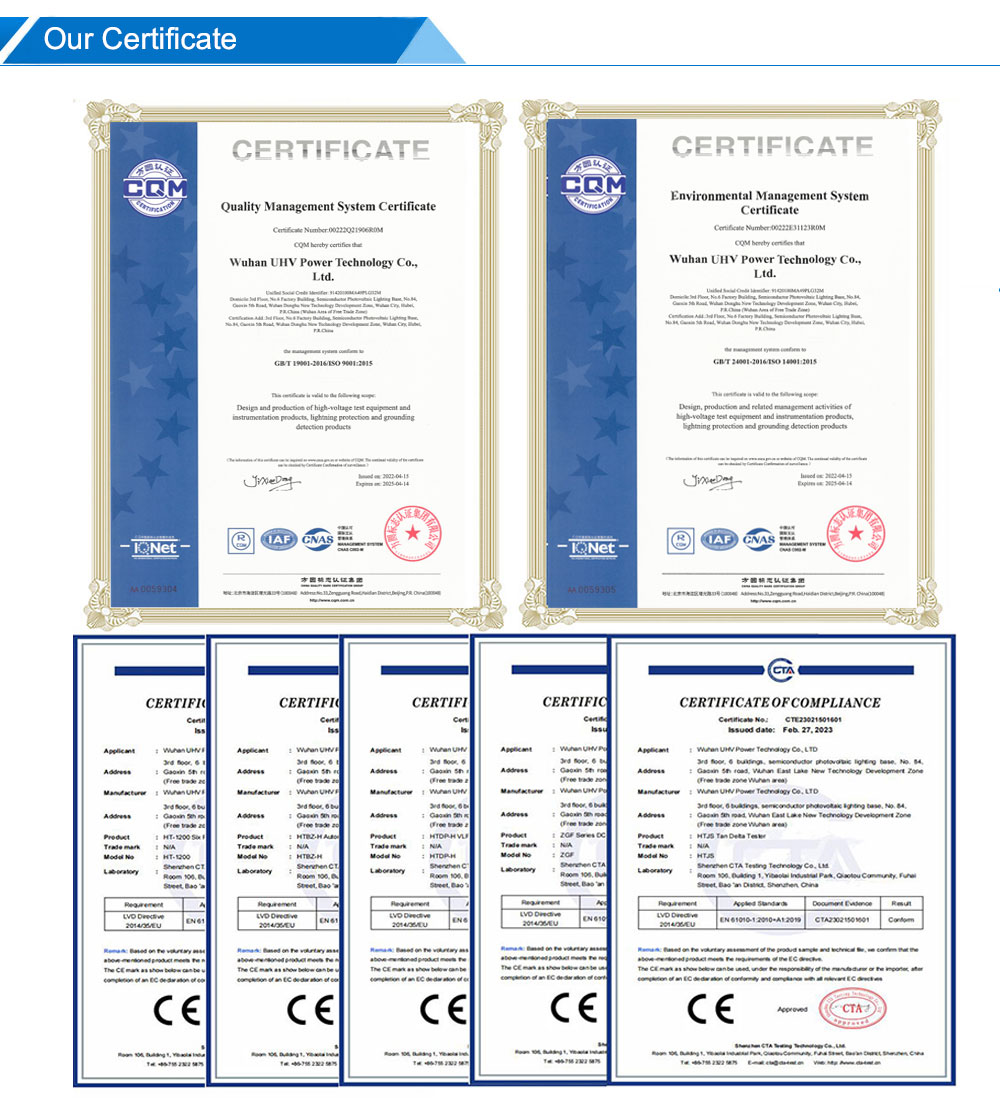
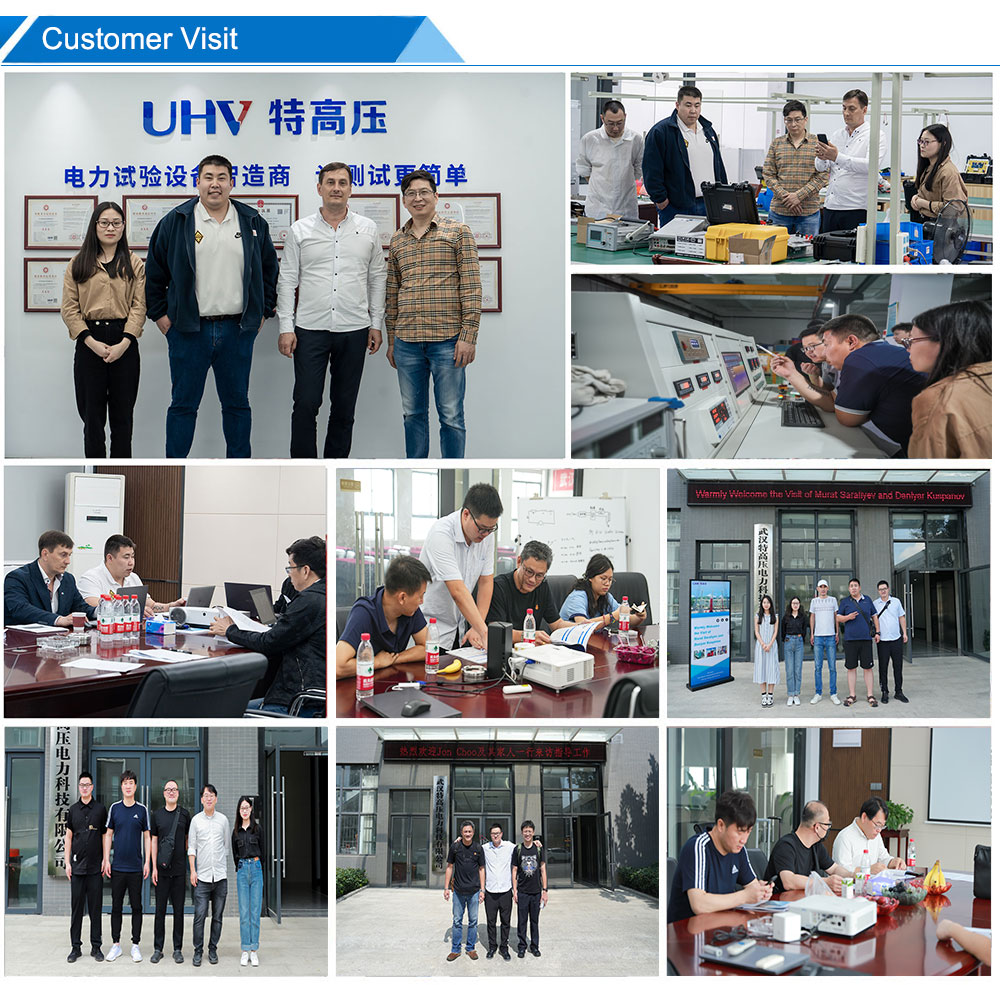
Wuhan UHV Power Technology Co., Ltd. has been deeply engaged in the field of high-voltage power testing equipment for over 20 years. As a direct-sale manufacturer with our own factory, we combine large-scale production capacity with a strict quality control system, ensuring stable and reliable product performance while offering you more competitive factory-direct prices. Our core products cover a wide range of high-voltage testing equipment to meet diverse testing requirements. In addition, we can provide professional technical support and flexible customized solutions according to different project specifications.